Digital Marketing Agency Pricing in 2026: What Services Cost and What You Should Expect
Digital marketing agencies charge EUR 500 to EUR 25,000+ per month depending on services and scope. Get a complete pricing breakdown by service type, engagement model, and agency tier.
Atastic Team
Digital Marketing Agency
Understanding digital marketing agency pricing is one of the biggest challenges businesses face when planning their marketing investment. Pricing varies wildly between agencies, and the lack of standardization makes it hard to know if you're getting a fair deal or overpaying for mediocre work.
This guide breaks down what digital marketing services actually cost in 2026, explains the most common pricing models, and helps you evaluate whether an agency's pricing represents good value for your business.
Digital Marketing Agency Pricing by Service
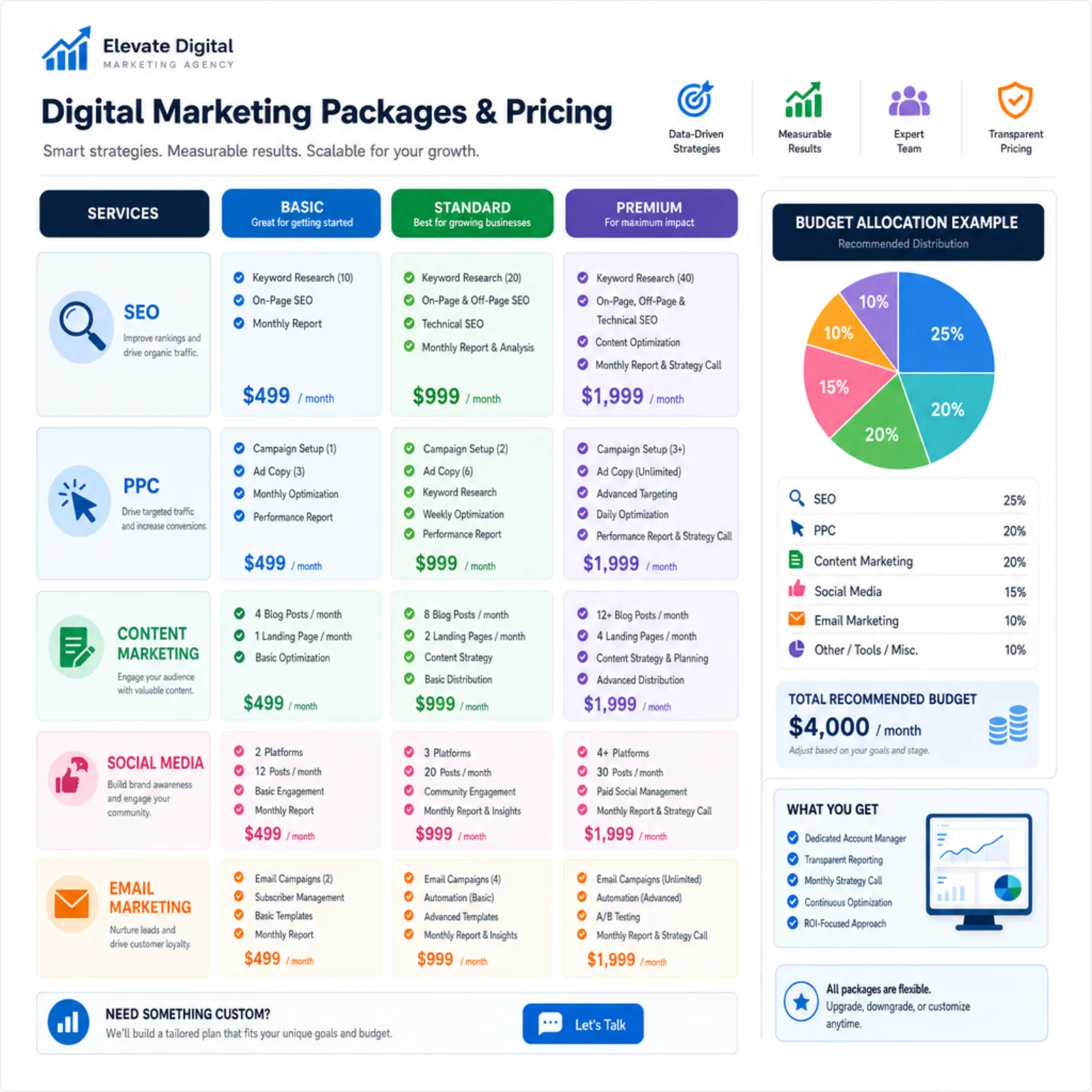
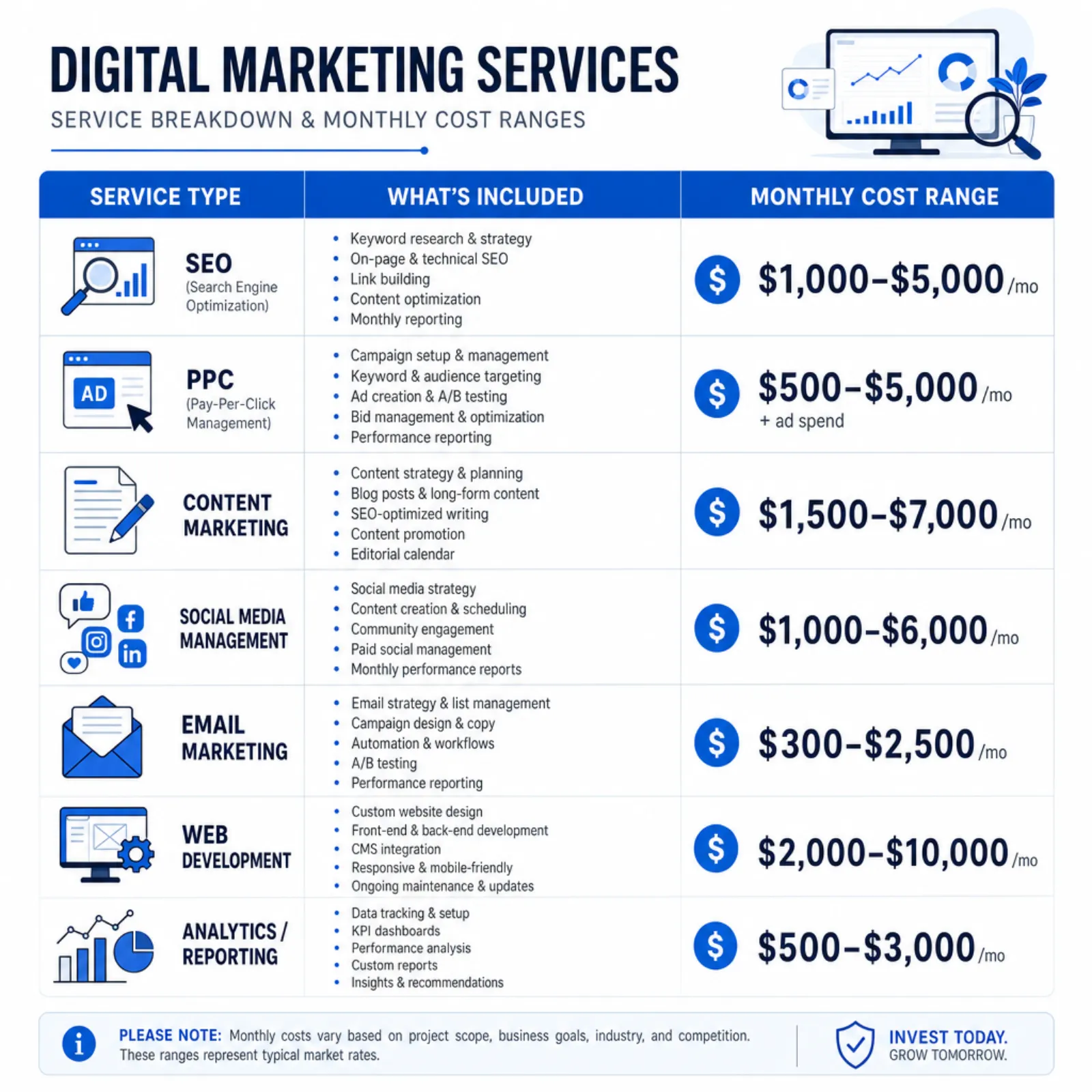
The cost of digital marketing depends heavily on which services you need. Here's a realistic breakdown of what European agencies typically charge for each discipline.
SEO (Search Engine Optimization)
- Monthly retainer: EUR 1,000-7,000/month
- One-time audit: EUR 1,500-5,000
- What's included: Technical SEO, on-page optimization, content strategy, link building, reporting
SEO pricing reflects the ongoing nature of the work. Lower-end retainers cover monitoring and basic optimization. Higher-end retainers include full-service execution with content production and active link building. Learn more about SEO services.
PPC/Paid Media
- Monthly management: EUR 500-5,000/month (plus ad spend)
- Setup fee: EUR 500-2,000 (one-time)
- What's included: Campaign setup, keyword research, bid management, ad copywriting, A/B testing, reporting
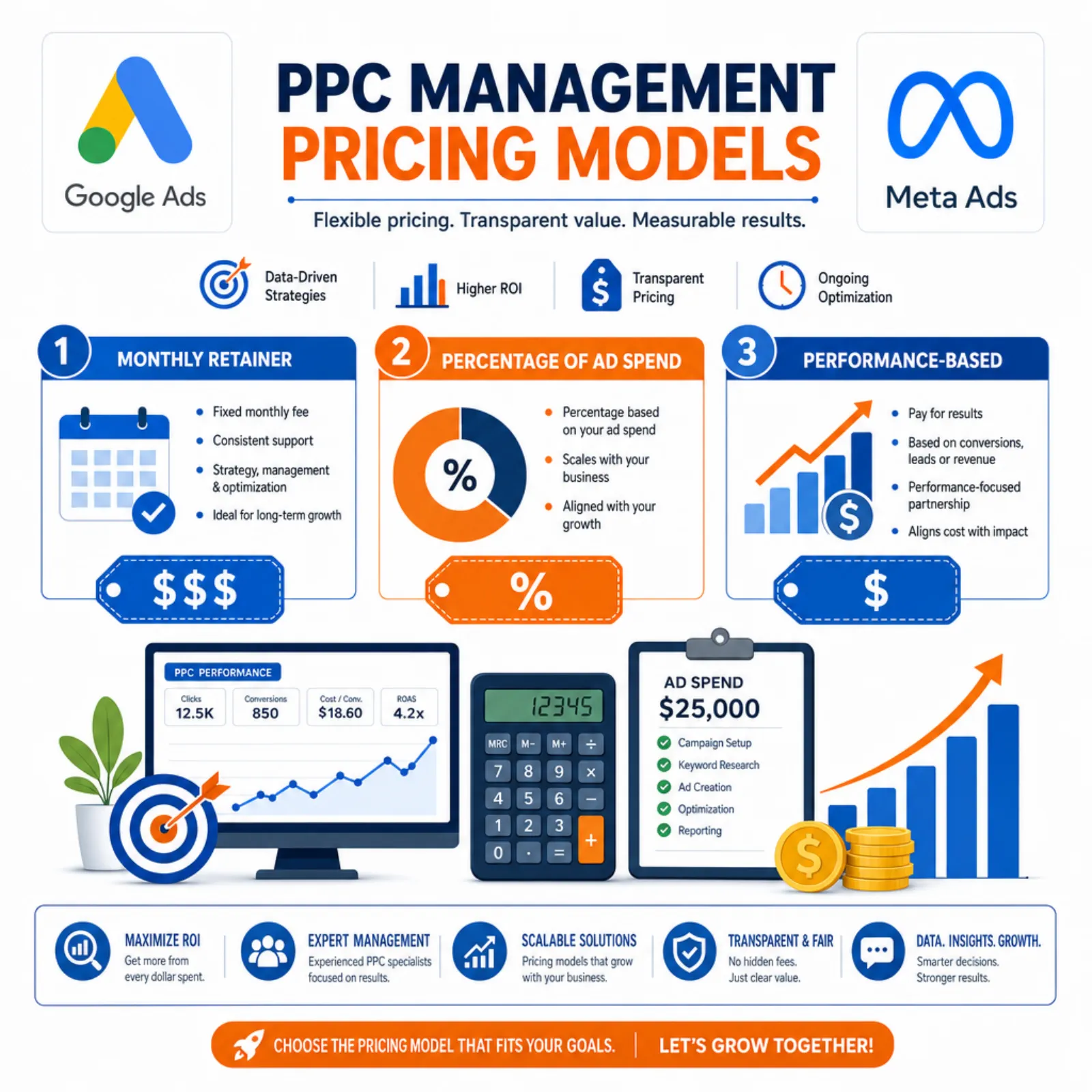
PPC management fees are separate from your ad budget. A common structure is a flat management fee or 10-20% of ad spend, whichever is higher. Explore paid media services.
Content Marketing
- Monthly retainer: EUR 1,500-8,000/month
- Per blog post: EUR 200-1,000 (depending on length, research depth, and expertise required)
- What's included: Content strategy, keyword research, writing, editing, publishing, promotion
Content pricing depends on volume, quality expectations, and subject matter complexity. Technical B2B content costs more than general consumer content because it requires specialized writers. View content strategy services.
Social Media Marketing
- Monthly management: EUR 800-5,000/month
- What's included: Strategy, content creation, scheduling, community management, paid social campaigns, reporting
Pricing depends on the number of platforms managed, posting frequency, and whether paid social advertising management is included. See social media services.
Email Marketing
- Monthly management: EUR 500-3,000/month
- What's included: Strategy, template design, copywriting, list segmentation, automation setup, A/B testing, reporting
Email marketing pricing often scales with list size and sending frequency. Automation setup (welcome sequences, abandoned cart flows, lead nurture campaigns) adds to initial costs but reduces ongoing workload. Learn about email marketing services.
Web Development
- Website build: EUR 5,000-50,000+ (project-based)
- Monthly maintenance: EUR 300-2,000/month
- What's included: Design, development, CMS setup, mobile optimization, performance optimization, security
Web development is usually project-based with an optional maintenance retainer. Costs depend on site complexity, custom functionality, and CMS choice. Explore web development services.
Analytics and Tracking
- Setup: EUR 1,000-5,000 (project-based)
- Monthly management: EUR 500-2,000/month
- What's included: GA4 setup, conversion tracking, dashboard creation, attribution modeling, custom reporting
Analytics is often bundled with other services, but standalone analytics setup and management is increasingly common as businesses realize the importance of accurate data. View analytics services.
Conversion Rate Optimization
- Monthly retainer: EUR 1,500-6,000/month
- What's included: Audit, hypothesis development, A/B testing, UX recommendations, landing page optimization
CRO pricing depends on traffic volume (you need sufficient traffic for statistically significant tests) and the number of tests run monthly. Learn about CRO services.
Full-Service Digital Marketing
- Monthly retainer: EUR 3,000-25,000+/month
- What's included: Multiple services bundled with integrated strategy, single point of contact, cross-channel optimization
Full-service retainers bundle several disciplines under one engagement. This approach is often more cost-effective than hiring separate specialists for each channel, and it enables better cross-channel strategy.
Agency Pricing Models Explained
Beyond the per-service costs, agencies structure their pricing in different ways. Understanding these models helps you compare proposals accurately.
Monthly Retainer
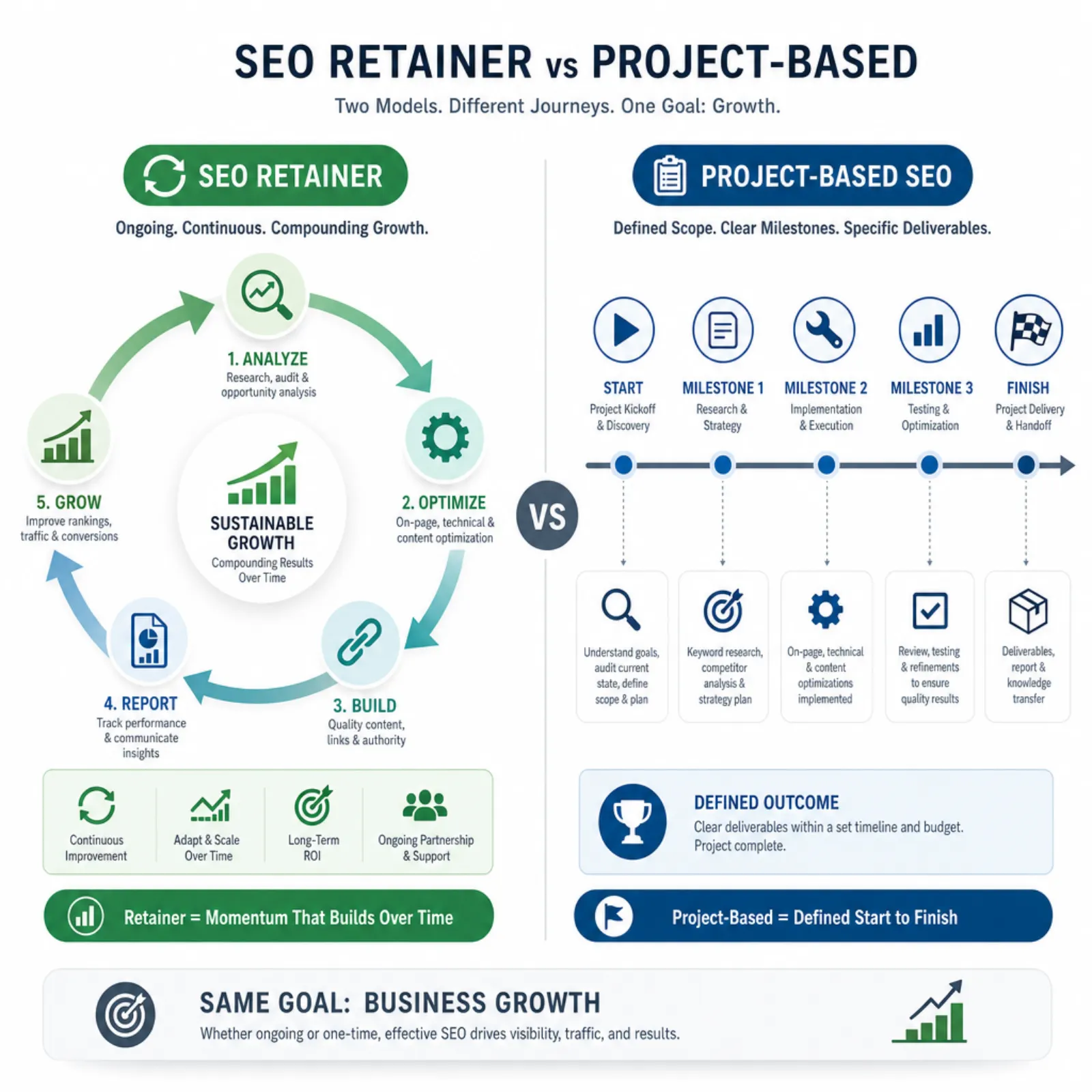
You pay a fixed monthly fee for an agreed scope of services. This is the most common model for ongoing digital marketing work. It provides predictable costs for you and predictable revenue for the agency, which means they can staff your account appropriately.
Best for: Ongoing marketing needs where you want a consistent partner managing your channels.
Project-Based
You pay a fixed price for a defined deliverable with a clear start and end. Website builds, audits, strategy documents, and campaign launches are commonly priced this way.
Best for: Specific, well-defined needs that don't require ongoing management.
Hourly Rate
The agency charges by the hour, typically between EUR 80 and EUR 200/hour depending on seniority and specialization. This model is common for consulting, training, and ad-hoc work.
Best for: Advisory work, training, or small tasks where a retainer would be overkill.
Percentage of Spend or Revenue
The agency takes a percentage of your advertising spend (for PPC) or a percentage of revenue generated (for performance marketing). This creates direct alignment between cost and results but can lead to misaligned incentives if not structured carefully.
Best for: PPC management or performance-focused campaigns where attribution is clear.
What Determines an Agency's Pricing
Two agencies can quote vastly different prices for seemingly similar services. Understanding why helps you evaluate whether higher pricing is justified.
Agency Size and Overhead
Larger agencies with offices, large teams, and management layers have higher overhead. This is reflected in their pricing. You may get access to deeper specialization and more resources, but you're also paying for infrastructure that doesn't directly impact your results.
Smaller, leaner agencies often deliver comparable results at lower price points because their overhead is lower. The trade-off may be less capacity for very large or complex engagements.
Geographic Location
Agencies in major cities (London, Amsterdam, Berlin, Paris) tend to charge more than those in smaller markets. Remote agencies and those in lower cost-of-living areas may offer competitive pricing without sacrificing quality. What matters is the caliber of the team, not the address on their website.
Specialization
Specialist agencies (those focused on one or two services) often charge premium rates but deliver deeper expertise. A specialist SEO agency will likely outperform the SEO team within a generalist agency, even if the generalist charges less per hour.
Generalist agencies offer the convenience of managing everything through a single partner, which simplifies communication and enables cross-channel strategy.
Industry Expertise
Agencies with deep experience in your specific industry can charge more because they bring relevant knowledge, case studies, and proven playbooks. An agency that has scaled three SaaS companies through organic search knows what works and what doesn't, saving you the cost of experimentation.
Scope and Complexity
A local bakery's digital marketing needs are fundamentally different from a multi-country e-commerce brand. More products, more markets, more languages, and more regulatory requirements all increase the work involved and the pricing accordingly.
How Much Should You Budget for Digital Marketing?
A common benchmark is to allocate 5-15% of revenue to marketing, with a significant portion going to digital channels. Where you fall in that range depends on your growth stage and goals.
- Startups and high-growth businesses: 12-20% of revenue. Heavier investment is needed to build awareness and capture market share.
- Established businesses maintaining position: 5-10% of revenue. Spending is focused on defending rankings, optimizing campaigns, and incremental growth.
- Businesses in competitive markets: 10-15% of revenue. Aggressive competition requires sustained investment to maintain visibility.
These are guidelines, not rules. A business with strong word-of-mouth referrals may need less marketing spend. A business entering a new market may need to invest more heavily upfront.
Allocation by Channel
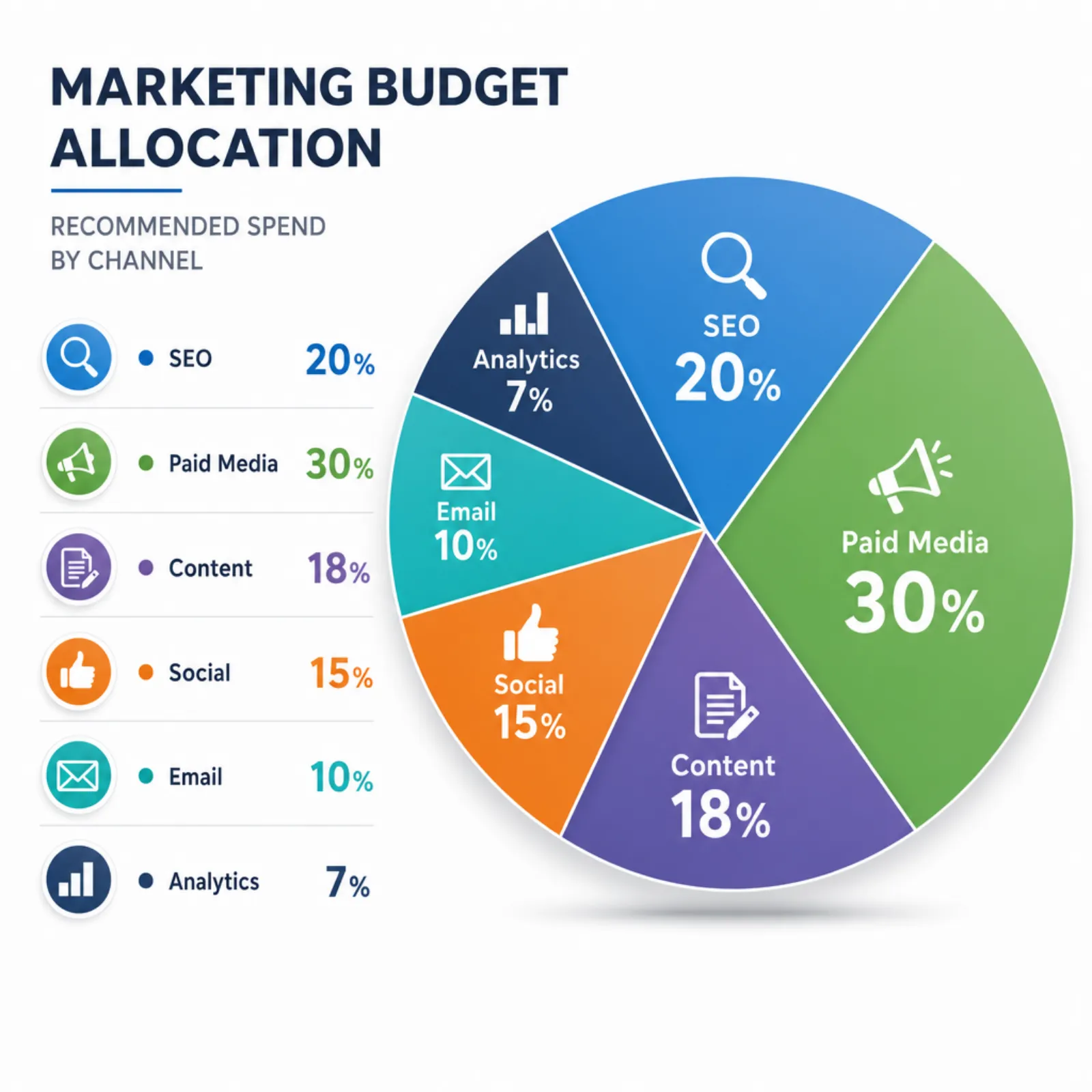
A typical allocation for a business investing across multiple digital channels:
- SEO and content: 25-35% of marketing budget
- Paid media: 25-40% of marketing budget (including ad spend)
- Social media: 10-15% of marketing budget
- Email marketing: 5-10% of marketing budget
- Analytics, CRO, and tools: 5-10% of marketing budget
- Web development and maintenance: 5-10% of marketing budget
Use our pricing calculator to build a custom budget based on your specific goals and channels.
How to Evaluate Agency Pricing
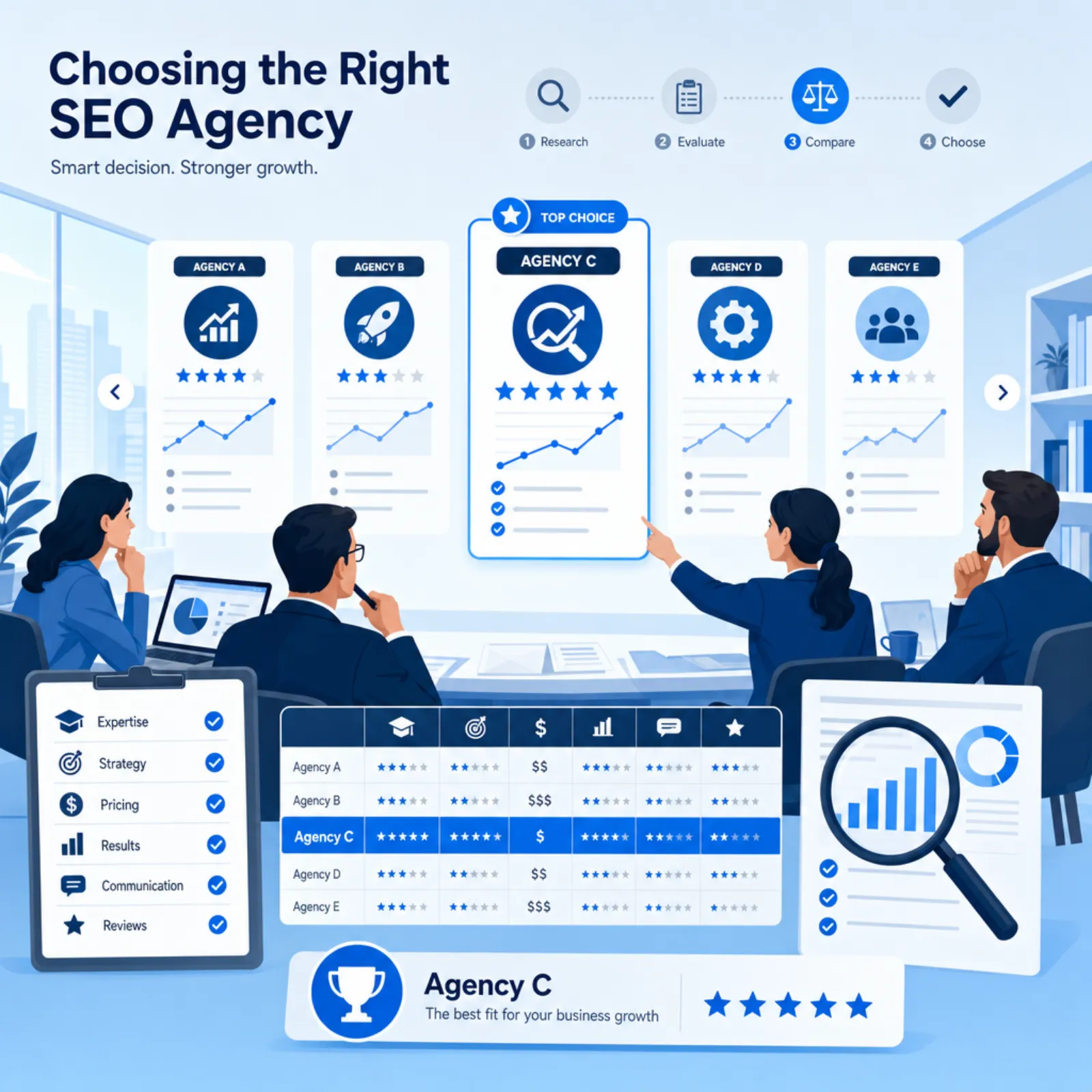
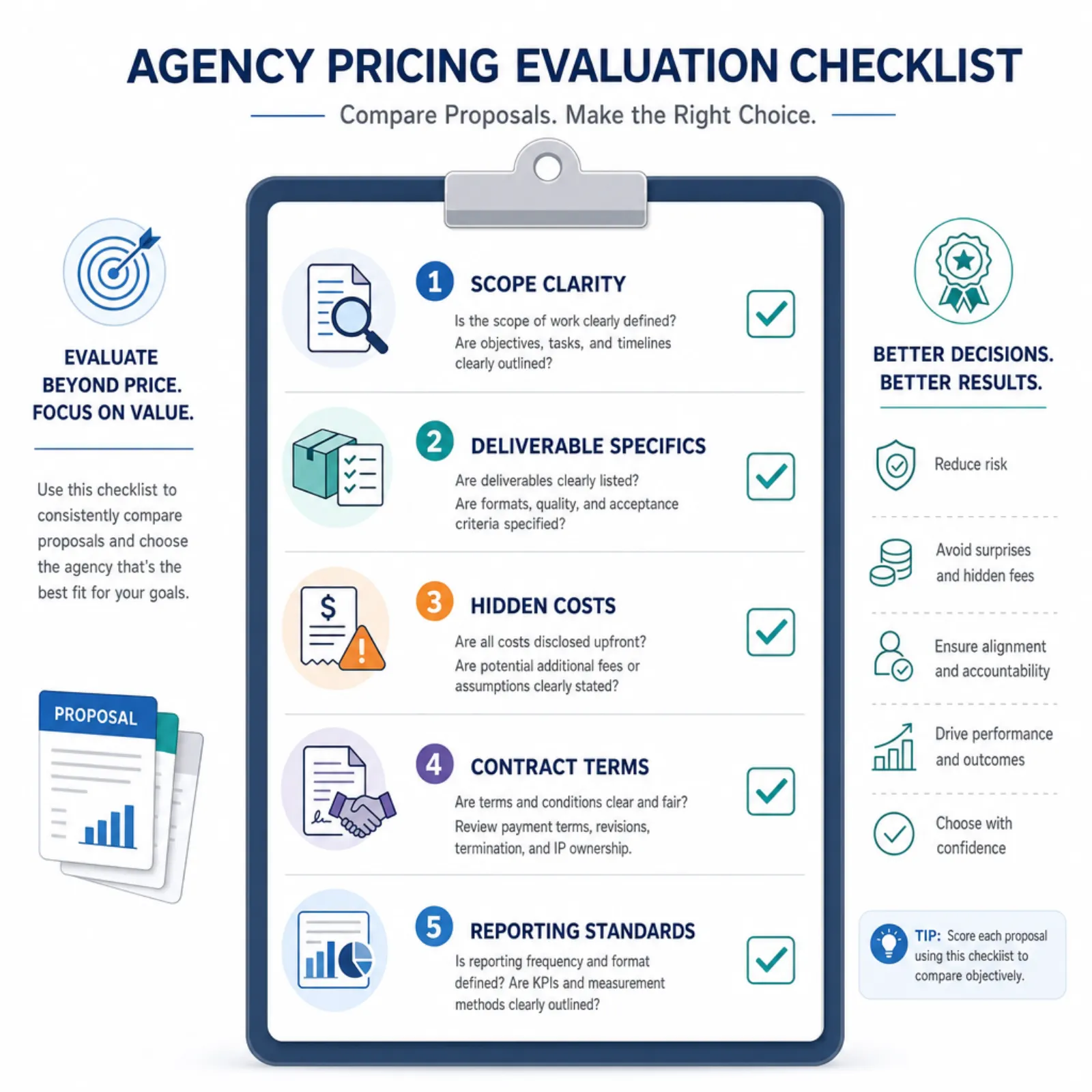
The cheapest agency is rarely the best value. Here's how to evaluate pricing beyond the headline number.
Focus on Value, Not Price
An agency that charges EUR 3,000/month and generates EUR 30,000 in revenue is a far better investment than one that charges EUR 1,000/month and generates EUR 3,000. Price is what you pay. Value is what you get. Always evaluate pricing in the context of expected results.
Ask agencies for projected outcomes based on their experience with similar clients. Credible agencies will give you realistic estimates rather than fantasy numbers.
Understand What You're Paying For
Request a detailed breakdown of what's included in the monthly fee. Key questions:
- How many hours are allocated to my account?
- Who is working on my account, and what's their experience level?
- What specific deliverables will I receive each month?
- What's included versus what costs extra?
- Are there setup fees, onboarding costs, or tool costs that are not part of the monthly fee?
Watch for Hidden Costs
Some agencies quote a low monthly fee but charge separately for items that other agencies include:
- Content writing (quoted per piece on top of the retainer)
- Tool subscriptions (passed through at cost or with markup)
- Design work (landing pages, ad creative, email templates)
- Additional platforms (each new ad platform or social channel costs extra)
- Strategy or consulting time (billed hourly on top of the retainer)
Ask for a complete picture of what your total monthly investment will be, including everything, before committing.
Red Flags in Agency Pricing
Be cautious when you encounter these pricing patterns:
- Prices that seem too good to be true: Comprehensive digital marketing for EUR 300/month means corners are being cut. You'll likely get outsourced, templated, or automated work that doesn't move the needle.
- No clear scope definition: "We'll handle your digital marketing" without specifics about deliverables, hours, or KPIs is a recipe for mismatched expectations.
- Pressure to sign long contracts immediately: Agencies confident in their work don't need to lock you in for 24 months before you've seen any results. Initial terms of 3-6 months are reasonable.
- Bundled pricing with no line items: You should be able to see what you're paying for each service. Bundled pricing can hide the fact that most of the fee goes to one service while others receive minimal attention.
- Performance guarantees tied to vanity metrics: Guaranteeing 10,000 website visitors means nothing if none of them convert. Results should be measured in business outcomes, not activity metrics.
- No reporting on spend allocation: If an agency manages your ad spend, you should know exactly how every euro is allocated. Opaque ad spend management is a major red flag.
Atastic's Transparent Pricing
At Atastic, we believe pricing should be straightforward. We offer three tiers designed to serve businesses at different stages of growth:
- Growth tier: For businesses building their digital marketing foundation. Focused execution across core channels with clear deliverables and monthly reporting.
- Scale tier: For businesses ready to accelerate. Multi-channel strategy with deeper optimization, more content, and advanced analytics.
- Enterprise tier: For established businesses with complex needs. Full-service digital marketing with dedicated strategy, priority support, and cross-channel integration.
Every tier includes transparent scope definitions, no hidden fees, and flexible contract terms. We publish our pricing because we believe businesses deserve to know what things cost before starting a conversation.
Visit our pricing page for full details on each tier, or use the pricing calculator to build a custom estimate based on the services you need.
Our services span SEO, paid media, social media, email marketing, content strategy, analytics, conversion optimization, and web development. Whether you need a single service or a complete digital marketing solution, we price each engagement based on scope and complexity, not hidden multipliers.
Have questions about what the right investment looks like for your business? Get in touch and we'll help you build a plan that matches your goals and budget.