How to Hire an SEO Agency: A No-Nonsense Evaluation Guide
A practical guide to hiring the right SEO agency. Covers what to look for, questions to ask, red flags to watch out for, and how to structure the engagement for long-term success.
Atastic Team
Digital Marketing Agency
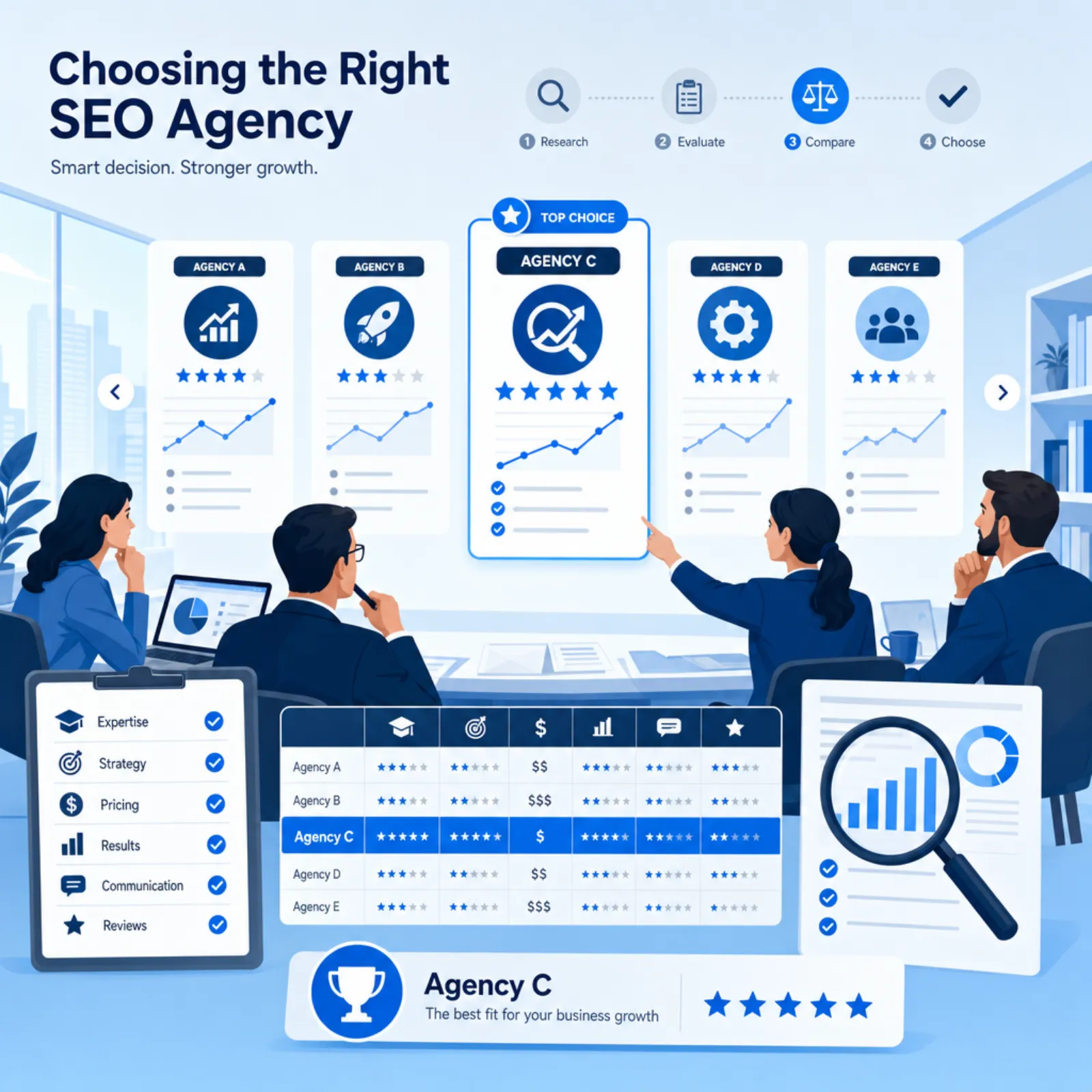
Hiring an SEO agency is one of the most impactful decisions a business can make for its online growth. The right agency becomes a genuine partner that drives revenue through organic search. The wrong one wastes your budget, damages your reputation with search engines, and sets you back months or even years.
The problem is that the SEO industry is notoriously opaque. Thousands of agencies promise first-page rankings and guaranteed results. Many deliver neither. This guide gives you a practical framework for evaluating, hiring, and working with an SEO agency that will actually produce results.
Before You Hire: Define What You Need
Before you start evaluating agencies, get clear on what you're looking for. Agencies can't give you a meaningful proposal if you don't know what you need.
Clarify Your Goals
What do you want SEO to accomplish for your business? Common goals include:
- Increase organic traffic by a specific percentage
- Rank for specific high-value keywords
- Generate a target number of leads from organic search
- Improve local visibility and Google Maps rankings
- Recover from a Google penalty or algorithm hit
- Build a content engine that drives sustained organic growth
The more specific you are, the easier it is to evaluate whether an agency can deliver.
Establish Your Budget
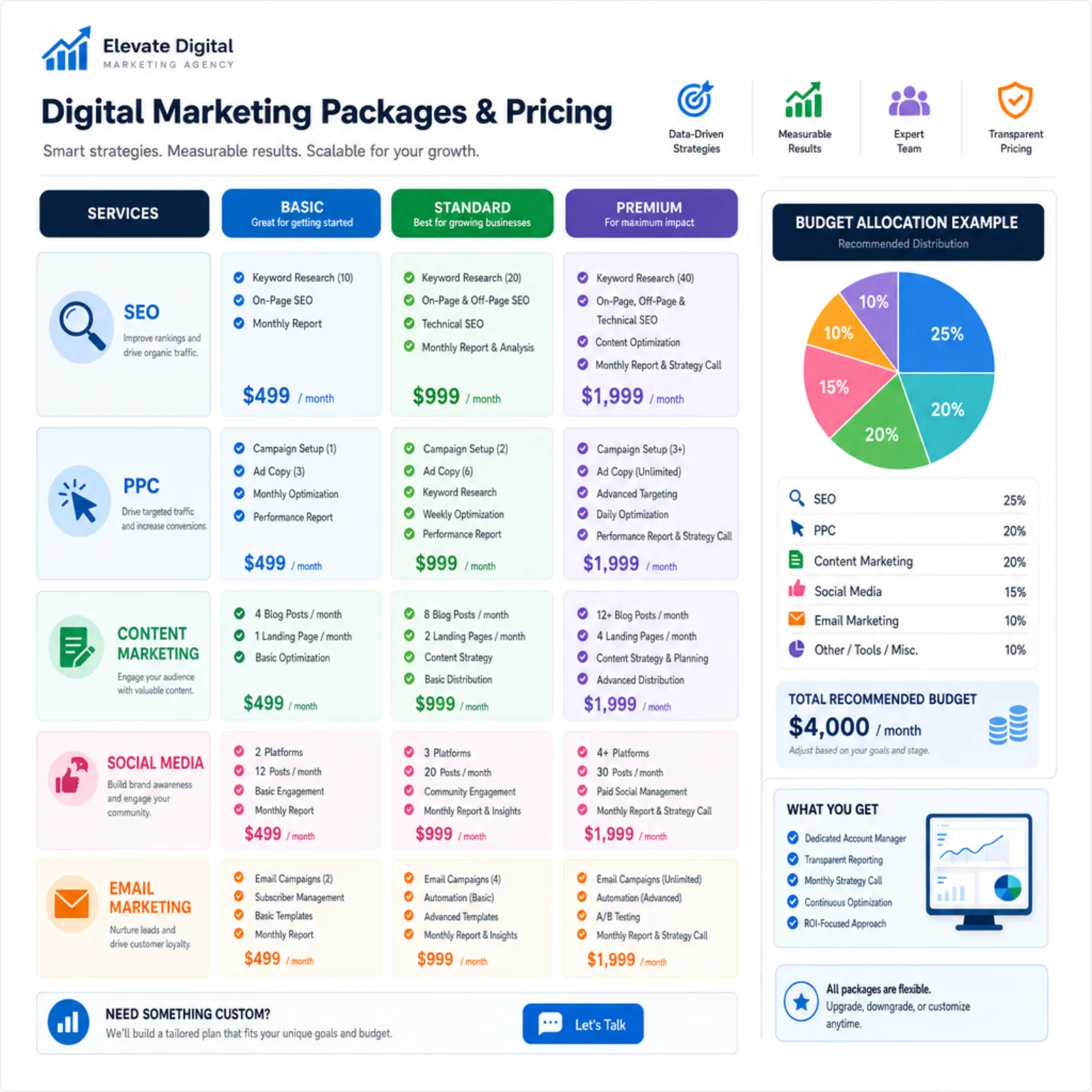
Quality SEO services aren't cheap. A legitimate agency will charge at minimum EUR 1,000 per month for a retainer, with most mid-market engagements falling between EUR 2,000 and EUR 7,000 per month. If an agency quotes significantly below this range, you're likely getting inexperienced staff, outsourced work, or cookie-cutter tactics that won't move the needle.
Know your budget range before reaching out. It helps agencies tailor proposals to what's realistic and avoids wasting everyone's time.
Set Your Timeline
SEO is a long-term investment. If you need results in two weeks, SEO isn't the right channel (consider paid media instead). Realistic SEO timelines look like this:
- 1-3 months: Audit, strategy development, technical fixes, initial content
- 3-6 months: Rankings start improving, traffic begins to grow
- 6-12 months: Meaningful traffic and lead growth, compounding returns
- 12+ months: SEO becomes a consistent, predictable revenue channel
What to Look for in an SEO Agency
Once you know what you need, here's how to evaluate whether an agency can deliver.
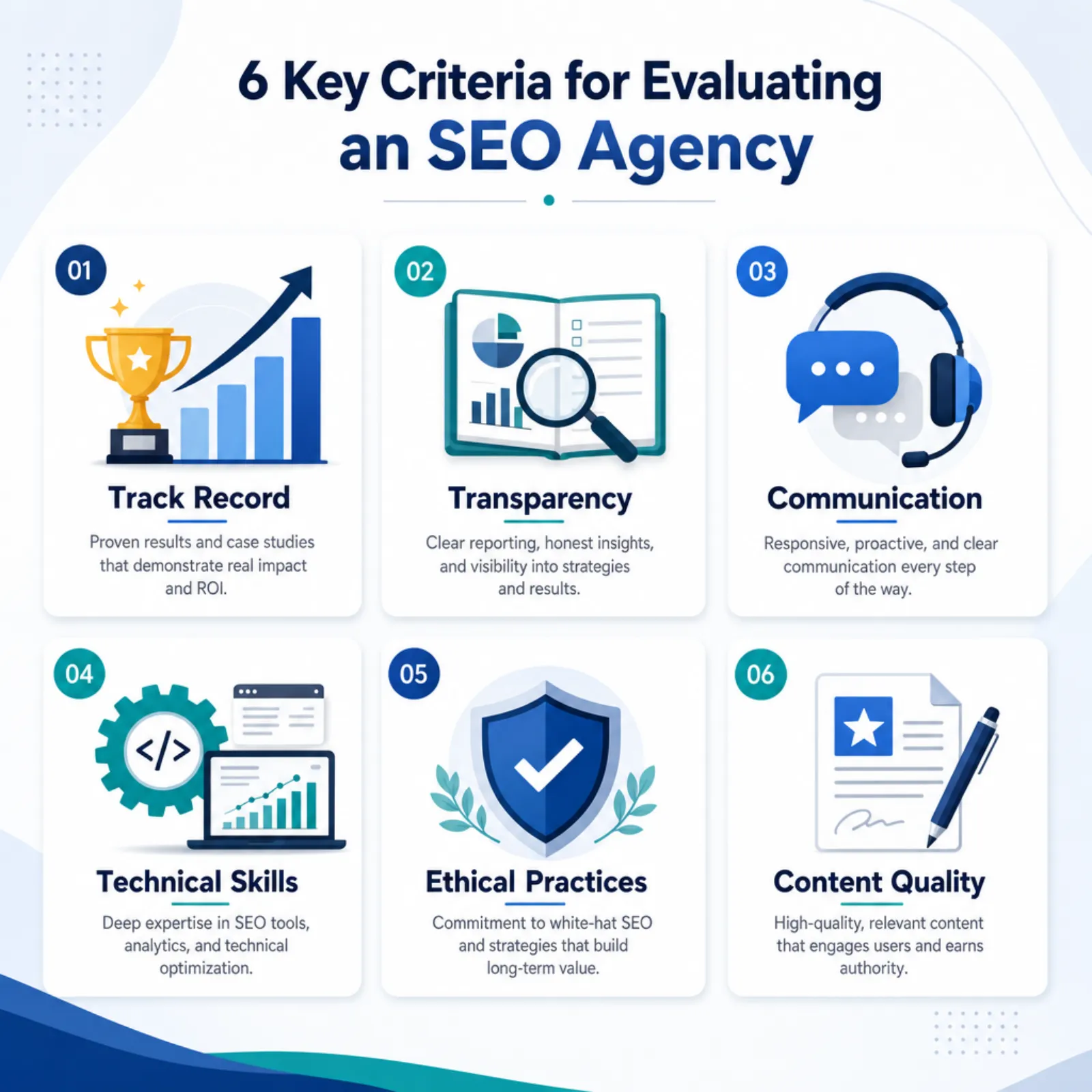
Proven Track Record
Ask for case studies that demonstrate real results, not vague testimonials. Look for specifics: "We increased organic traffic by 180% in 9 months for a B2B SaaS company" is meaningful. "We deliver amazing SEO results" is not.
Good agencies show their work. They can walk you through the strategy they used, the challenges they faced, and the metrics they improved. Ask for 2-3 case studies in industries similar to yours.
Transparency
A trustworthy SEO agency is transparent about their methods, their pricing, and their realistic expectations for results. They should be willing to explain:
- Exactly what work they'll do each month
- How they build links (and which tactics they avoid)
- What tools they use and why
- What results are realistic given your market and competition
- How they report on progress
If an agency is evasive about their process or won't explain what they do in plain terms, that's a red flag.
Communication Quality
How an agency communicates during the sales process is a strong indicator of how they'll communicate as a client. Pay attention to:
- Response time: Do they get back to you within a business day?
- Clarity: Do they explain things in terms you understand?
- Listening: Do they ask questions about your business, or just pitch their services?
- Proactiveness: Do they bring insights and suggestions, or wait for you to direct them?
Technical Competence
SEO has a significant technical component. A competent agency should be able to discuss topics like:
- Core Web Vitals and site performance optimization
- Crawl budget management and indexation strategy
- Structured data and schema markup
- JavaScript rendering and SEO implications
- Site migration planning and redirect strategy
- International SEO and hreflang implementation
You can assess this during initial conversations. Ask technical questions and gauge whether their answers demonstrate real understanding or rehearsed talking points. Tools like our E-E-A-T analyzer or on-page SEO checker can help you validate some of their claims about your site.
Ethical Link Building
Link building is one of the most important aspects of SEO and also the most commonly abused. Ask agencies specifically about their link building approach. Strong answers include:
- Content-driven outreach (creating valuable content that earns links naturally)
- Digital PR and journalist relationships
- Broken link building
- Guest posting on relevant, authoritative sites
- Building linkable assets (tools, research, data visualizations)
Concerning answers include: buying links from PBNs (private blog networks), using link farms, automated link building software, or guaranteeing specific numbers of links regardless of quality.
Content Capability
Modern SEO is inseparable from content. Your agency should have strong content capabilities, either in-house writers or a vetted network of specialists. Ask to see content samples and evaluate:
- Writing quality and readability
- Depth of research and subject matter expertise
- Strategic optimization (keyword usage, structure, internal linking)
- Whether the content reads naturally or feels stuffed with keywords
Questions to Ask During Evaluation
These ten questions will help you separate capable agencies from those that overpromise and underdeliver.
- Can you walk me through a recent client success story in detail? You want specifics: strategy, execution, results, and timeline.
- What does your onboarding process look like? A structured onboarding process indicates maturity and experience.
- How do you develop an SEO strategy for a new client? They should describe a process that starts with understanding your business, not jumping straight to tactics.
- What metrics do you use to measure success? Good agencies focus on business metrics (traffic, leads, revenue) alongside SEO metrics (rankings, authority).
- How do you handle communication and reporting? Monthly reports, regular strategy calls, and a clear point of contact are the baseline.
- What's your approach to link building? Listen for ethical, sustainable strategies that prioritize quality over volume.
- How do you stay current with algorithm changes? The SEO landscape changes constantly. Agencies should have a clear process for monitoring and adapting.
- What do you need from us to be successful? Agencies that acknowledge they need collaboration and access are more realistic than those that promise to handle everything independently.
- What happens if we're not seeing results after 6 months? Look for agencies that describe a process of diagnosing issues and adjusting strategy rather than making excuses.
- Can we speak with 2-3 current or former clients? Reference checks are the most reliable way to validate claims.
Red Flags When Hiring an SEO Agency
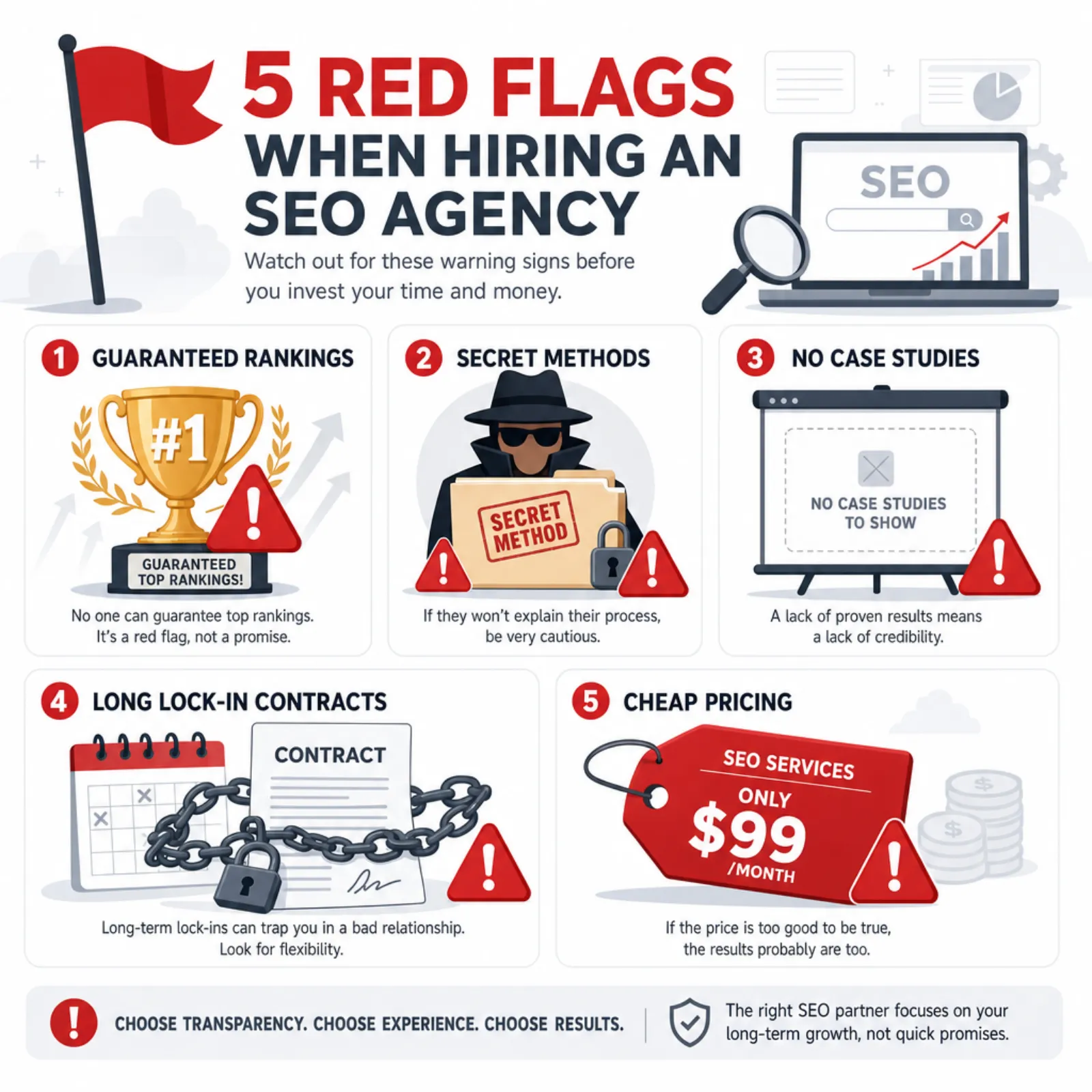
Walk away from any agency that exhibits these warning signs:
- Guaranteed rankings: No one can guarantee a #1 position on Google. Anyone who claims otherwise is either dishonest or doesn't understand how search engines work.
- Secretive methods: If an agency won't explain what they do, there's usually a reason. Legitimate SEO tactics are not trade secrets.
- Unusually low pricing: An agency offering comprehensive SEO for EUR 200/month is cutting corners somewhere. You'll likely get templated reports, spammy links, and zero strategic thinking.
- No reporting or accountability: If they don't provide regular, detailed reports, you have no way to evaluate their performance.
- Ownership of your assets: Some agencies build your site on their hosting, create content they own, or manage your Google Business Profile on their account. You should always own your digital assets.
- Long lock-in contracts with no exit clause: 6-to-12-month commitments are reasonable. Being locked in for 2 years with no termination option is not.
- Cold outreach with big promises: The "I found issues on your website" emails promising to get you to page one are almost always from low-quality providers.
- Focus on vanity metrics: Rankings for irrelevant long-tail keywords or traffic that doesn't convert is not valuable SEO.
How to Set Up the Engagement for Success
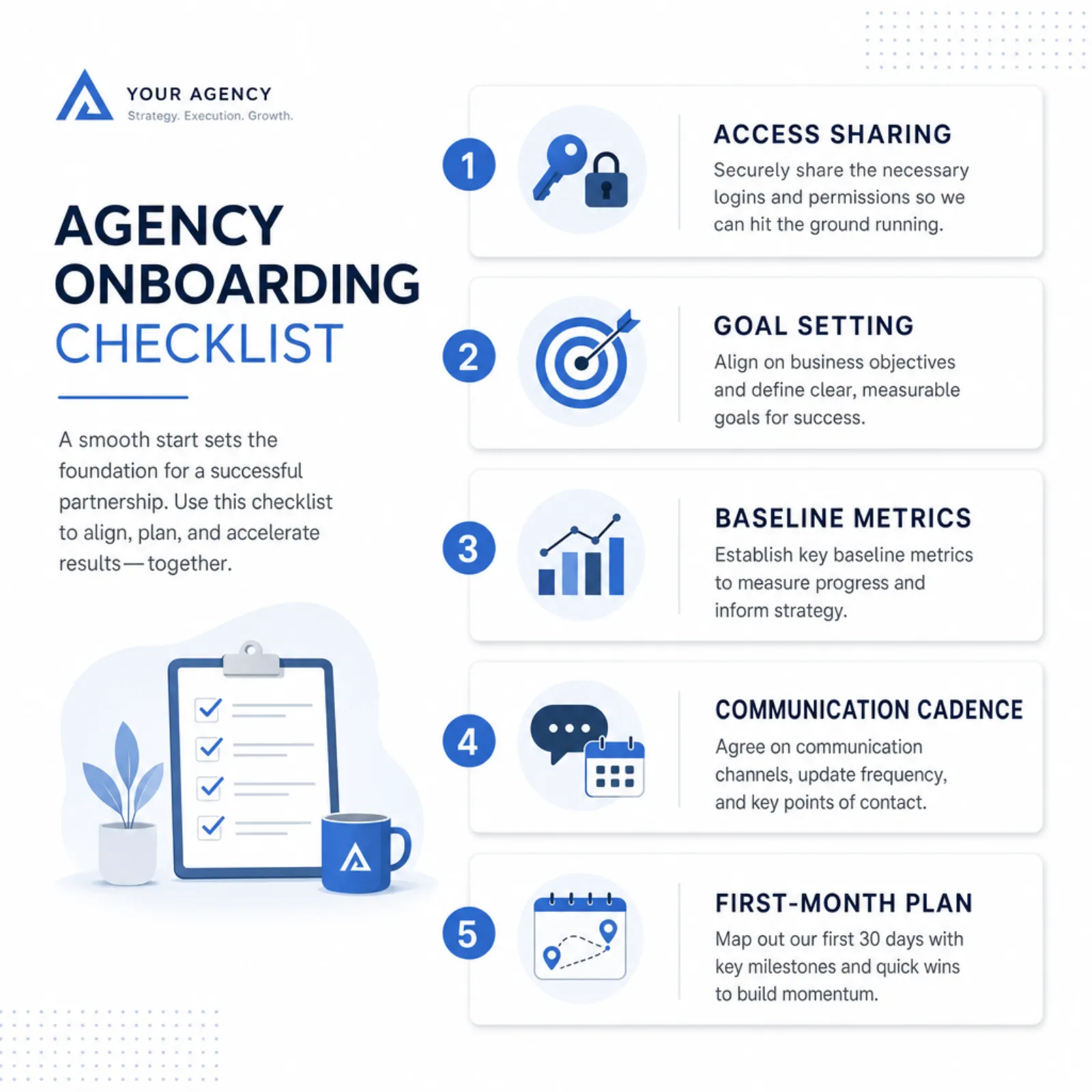
Hiring the right agency is only half the equation. Setting up the working relationship correctly is just as important.
Provide Full Access
Give your agency access to everything they need from day one:
- Google Analytics and Google Search Console
- CMS access for content publishing and technical changes
- Google Business Profile (for local SEO)
- Google Ads account (if running paid search alongside SEO)
- CRM or lead tracking system (for conversion data)
- Any existing brand guidelines, buyer personas, or market research
Delays in providing access are one of the most common reasons SEO engagements start slowly.
Define Clear KPIs
Work with your agency to set specific, measurable goals for 3, 6, and 12 months. Examples include:
- Grow organic traffic from 5,000 to 15,000 monthly sessions in 12 months
- Rank in the top 10 for 20 target keywords within 6 months
- Generate 50 organic leads per month by month 9
- Improve average page load time to under 2.5 seconds by month 3
Clear KPIs give both you and the agency a shared definition of success.
Establish Communication Rhythms
Set a regular cadence from the start:
- Weekly: Quick status updates or async check-ins
- Monthly: In-depth performance review and strategy discussion
- Quarterly: Strategic review, goal adjustment, and forward planning
Consistent communication prevents misalignment and keeps both teams focused on what matters.
Be Patient, but Not Passive
SEO takes time. Give your agency at least 4-6 months before evaluating results against your KPIs. However, you should see measurable activity (content published, technical fixes made, links acquired) from month one. If three months pass with nothing tangible to show, that's a legitimate concern worth raising.
The best agency relationships are collaborative. Stay engaged, provide feedback, and share business context that helps your agency make better decisions.
Why Businesses Choose Atastic for SEO
At Atastic, we've built our SEO practice around the principles outlined in this guide. Here's what sets us apart:
- Transparent process: We explain our strategy, our tactics, and our reasoning. No black boxes.
- Business-focused metrics: We track rankings, but we care about traffic, leads, and revenue. Those are the numbers that matter to your bottom line.
- Technical depth: Our team has deep experience with technical SEO, including complex site migrations, JavaScript frameworks, and enterprise-scale challenges.
- Quality content: We produce content that ranks and resonates. Our writers research thoroughly and write for humans first, search engines second.
- Ethical link building: Every link we build comes from genuine outreach and valuable content. We never buy links or use manipulative tactics.
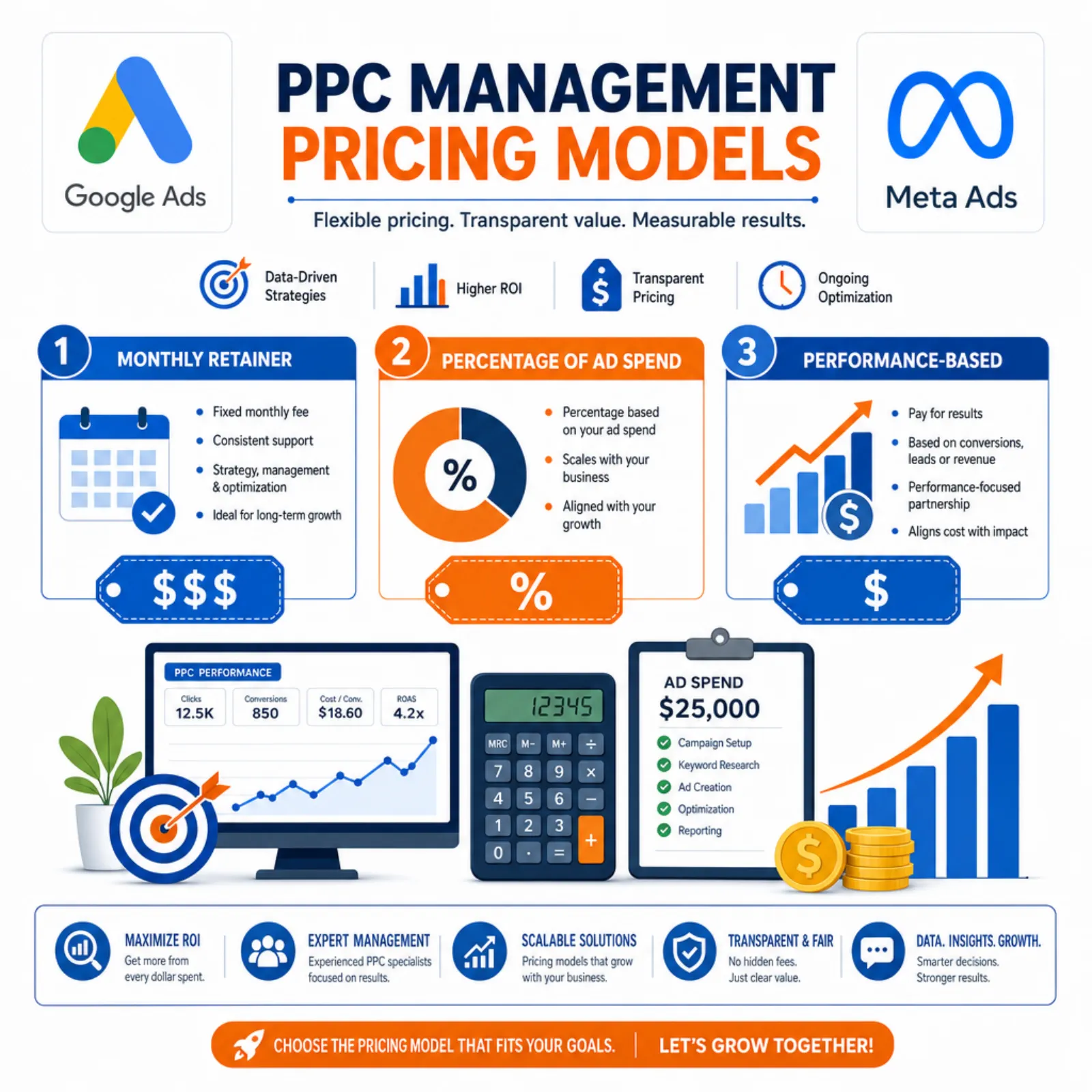
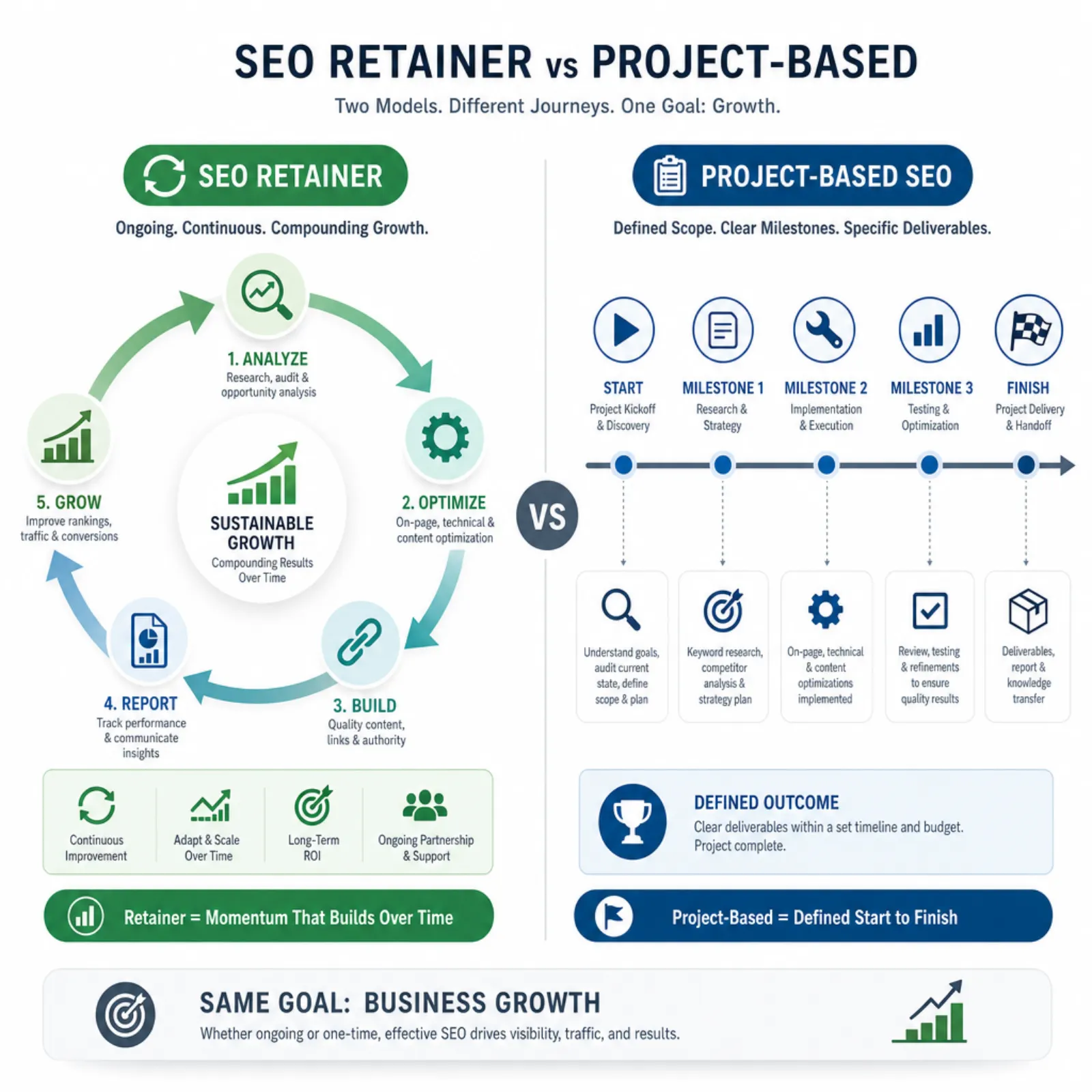
- Flexible engagement models: We offer both retainer and project-based engagements to match your needs and budget. Check our pricing page for details.
Ready to find the right SEO partner? Start a conversation with our team to discuss your goals and see if we're a good fit.