White Label SEO: What It Is, How It Works, and How to Evaluate Providers
White label SEO lets agencies offer SEO services under their own brand without building an in-house team. Learn how it works, what to look for in a provider, and the most common pitfalls.
Atastic Team
Digital Marketing Agency

White label SEO is one of those terms that gets thrown around in agency circles, but the concept is straightforward: one company does the SEO work, another company puts their name on it and sells it to their clients. It's a reseller arrangement for search engine optimization.
For agencies that want to offer SEO without hiring specialists, white label providers can fill the gap. But the model comes with trade-offs that are worth understanding before you commit, whether you're the agency considering it or a business wondering why your agency's SEO feels generic.
This guide covers how white label SEO works, who uses it, the pros and cons, how to evaluate providers, and alternatives worth considering.
What Is White Label SEO?
White label SEO is a business arrangement where an SEO provider completes optimization work on behalf of another company, typically a marketing agency, web development firm, or consulting group. The provider stays invisible to the end client. All reports, communications, and deliverables are branded with the reseller's logo and name.
Think of it like a store-brand product at a grocery store. The store doesn't manufacture the cereal. A third-party factory makes it, packages it with the store's branding, and the store sells it as their own. White label SEO follows the same principle.
The end client hires Agency X for SEO. Agency X contracts Provider Y to do the actual work. The client never knows Provider Y exists. Agency X charges their client a markup and keeps the difference as profit.
White Label vs. Outsourcing vs. Subcontracting
These terms overlap but have distinctions:
- White label SEO: The provider's identity is completely hidden. They operate under your brand, using your reporting templates and sometimes your email domain.
- Outsourcing: You hire an external team to handle specific tasks. The client may or may not know about the arrangement.
- Subcontracting: You bring in a specialist for part of the work. The client is often aware you're using outside help.
White label is specifically designed around brand invisibility. That's the defining feature.

How White Label SEO Works
Typical Workflow
The process usually follows this pattern:
- Client signs with the agency: The agency sells an SEO package to their client at their own rates.
- Agency briefs the white label provider: The agency passes along client details, goals, website access, and any brand guidelines.
- Provider does the work: The white label team handles the agreed-upon SEO tasks: audits, keyword research, on-page optimization, content creation, link building, and reporting.
- Agency reviews deliverables: Before anything reaches the end client, the agency checks quality and ensures alignment with expectations.
- Agency delivers to client: Reports and results are presented under the agency's brand, often through the agency's project management tools or dashboards.
What's Typically Included
Most white label SEO providers offer some combination of these services:
- Technical SEO audits: Site crawls, speed analysis, indexation checks, schema markup
- On-page optimization: Title tags, meta descriptions, heading structure, internal linking
- Keyword research: Target keyword identification, search intent mapping, content gap analysis
- Content creation: Blog posts, landing pages, service page copy optimized for target keywords
- Link building: Outreach campaigns to acquire backlinks from relevant sites
- Reporting: Monthly or weekly performance reports with rankings, traffic data, and progress summaries
- Local SEO: Google Business Profile optimization, citation building, local keyword targeting
The scope depends on the package and pricing tier. Some providers offer full-service SEO; others specialize in specific components like link building or content only.
Who Uses White Label SEO
White label SEO isn't limited to marketing agencies, though they're the most common buyers. Several types of businesses use these services:
Digital marketing agencies: The largest market for white label SEO. Agencies that specialize in paid ads, social media, or web design often add SEO to their service list using a white label partner rather than hiring in-house specialists.
Web development shops: Companies that build websites frequently get asked about SEO by their clients. Rather than turning that revenue away, they partner with a white label provider to offer SEO as an add-on service.
PR and communications firms: PR agencies increasingly need to demonstrate digital impact. White label SEO lets them offer search visibility services alongside their core media relations work.
Freelancers and consultants: Independent marketers who want to offer SEO but lack the time or expertise to deliver it themselves. A white label partner lets a solo consultant present as a full-service operation.
SaaS companies: Some software platforms that serve agencies (CRM tools, website builders) offer white label SEO as a value-add their customers can resell.
Pros and Cons of White Label SEO
Before committing to white label SEO, weigh both sides carefully.
Advantages
- No hiring required: You avoid the cost and effort of recruiting, training, and managing in-house SEO specialists. A senior SEO hire in Europe can cost EUR 60,000-90,000 per year before benefits.
- Faster time to market: You can start offering SEO services within weeks rather than months. No need to build processes and tools from scratch.
- Scalability: Adding or removing clients is easier when you're not managing headcount. White label providers can typically absorb volume fluctuations.
- Broader service offering: Clients prefer working with fewer vendors. Adding SEO to your services reduces the chance they'll go elsewhere.
- Profit margins: The markup between what you pay the provider and what you charge your client is your margin, often 50-100% or more.
Disadvantages
- Quality control: You're trusting someone else to do work that carries your name. If the quality is poor, your reputation suffers, not the provider's.
- Limited customization: Most white label providers use standardized processes. Highly customized strategies for unique industries can be difficult to get.
- Communication layers: Adding a middleman between the client and the person doing the work creates delays and potential for miscommunication.
- Generic results: Some providers apply the same approach to every client. Cookie-cutter SEO rarely produces outstanding results.
- Dependency: If your provider raises prices, drops quality, or goes out of business, you're stuck scrambling to find a replacement while keeping clients happy.
- Ethical gray area: Some clients assume they're working with in-house experts. The lack of transparency can create trust issues if discovered.
How to Evaluate a White Label SEO Provider
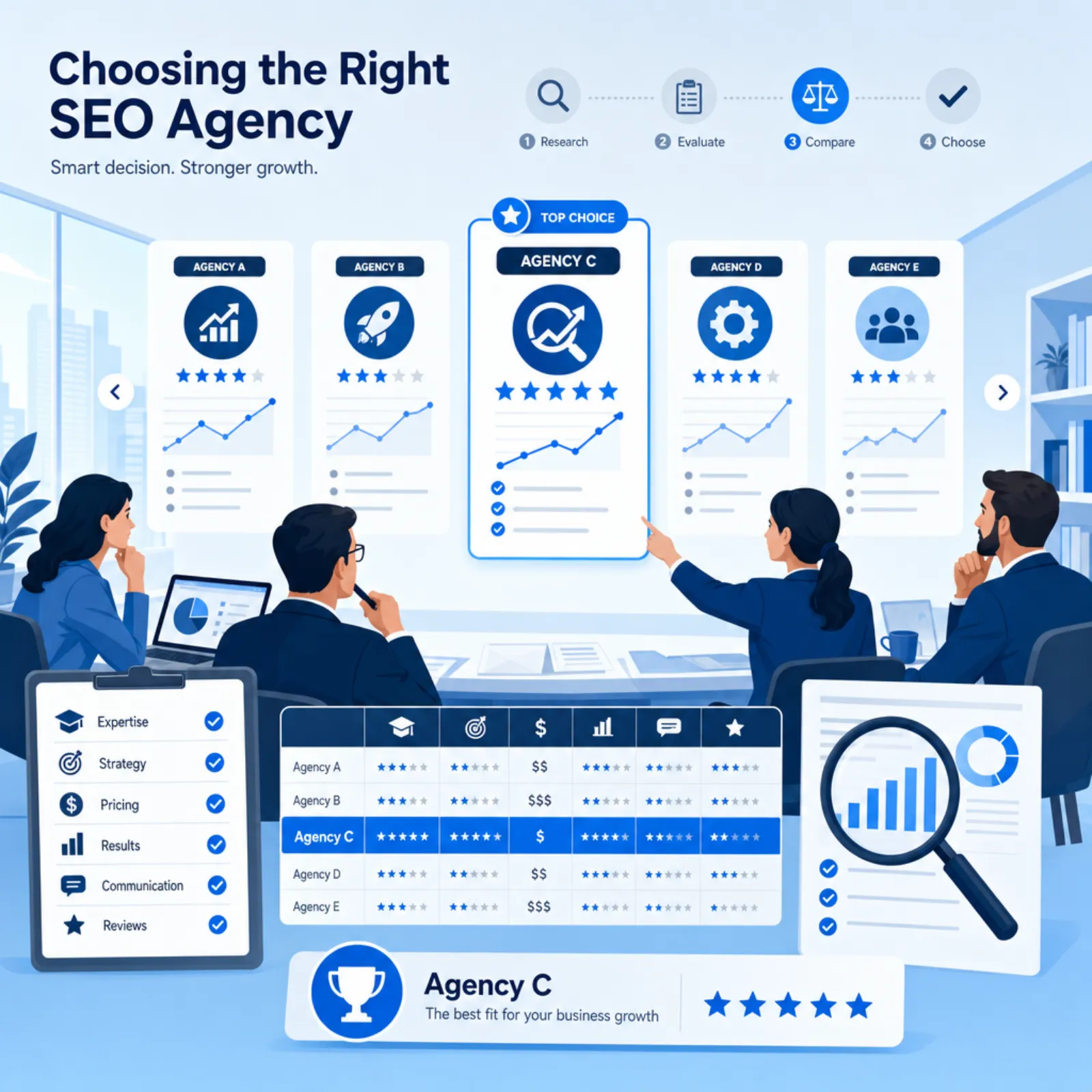
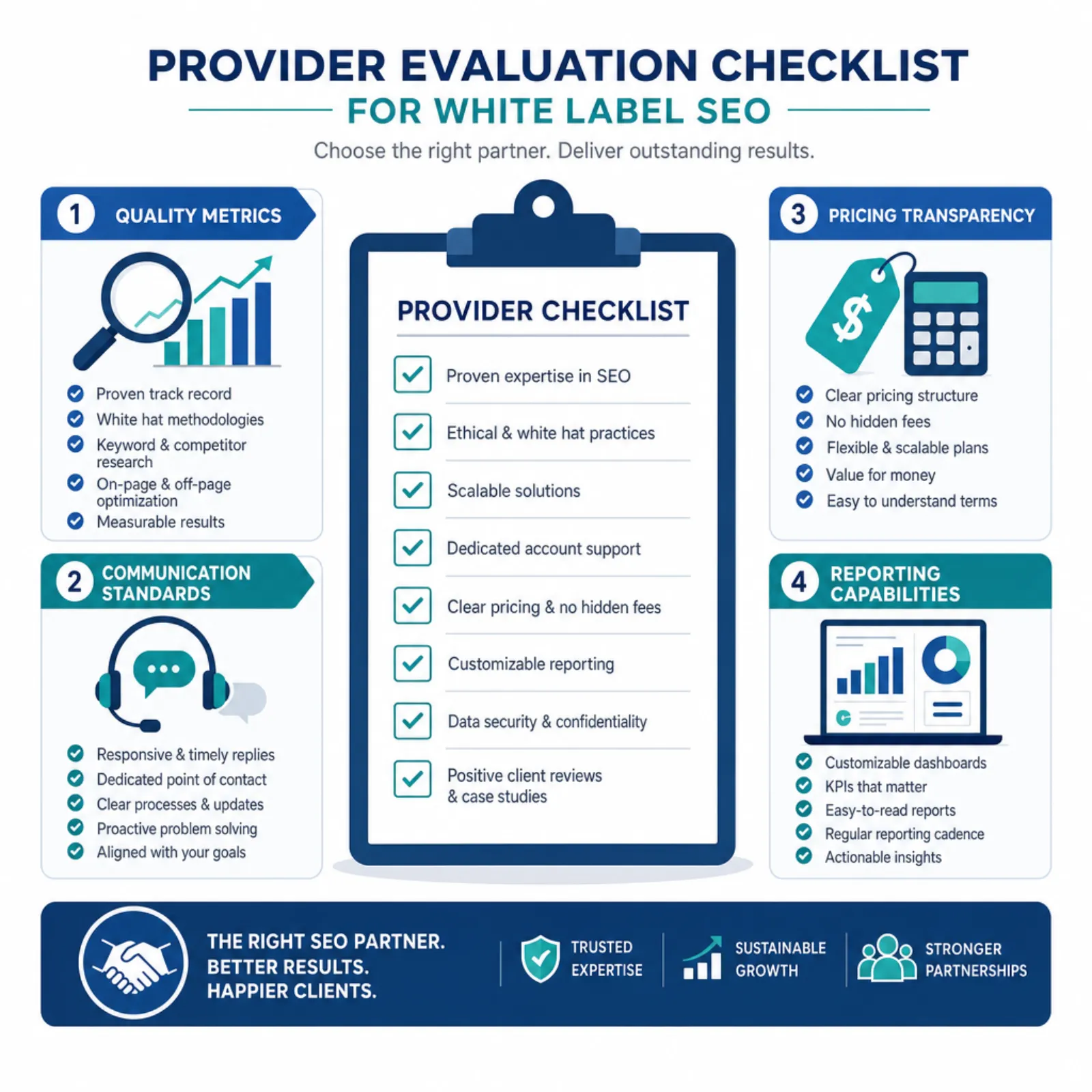
If you decide white label SEO is the right model for your agency, provider selection is the most important decision you'll make. Here's what to evaluate:
Work Quality
Ask for case studies and sample deliverables. Review actual content they've written, audits they've conducted, and link building results. Look for:
- Content that reads naturally and demonstrates genuine topic expertise
- Technical audits that go beyond automated tool outputs
- Link building from relevant, authoritative sites (not spammy directories)
- Strategies tailored to specific industries rather than one-size-fits-all templates
If possible, test the provider with a single client before committing to a larger engagement.
Communication and Responsiveness
White label relationships live and die by communication. Evaluate:
- How quickly do they respond to emails and messages?
- Do they assign a dedicated account manager to your agency?
- Can they join client calls when needed (under your brand, of course)?
- What project management tools do they use?
- How do they handle urgent requests or changes in scope?
Pricing Structure
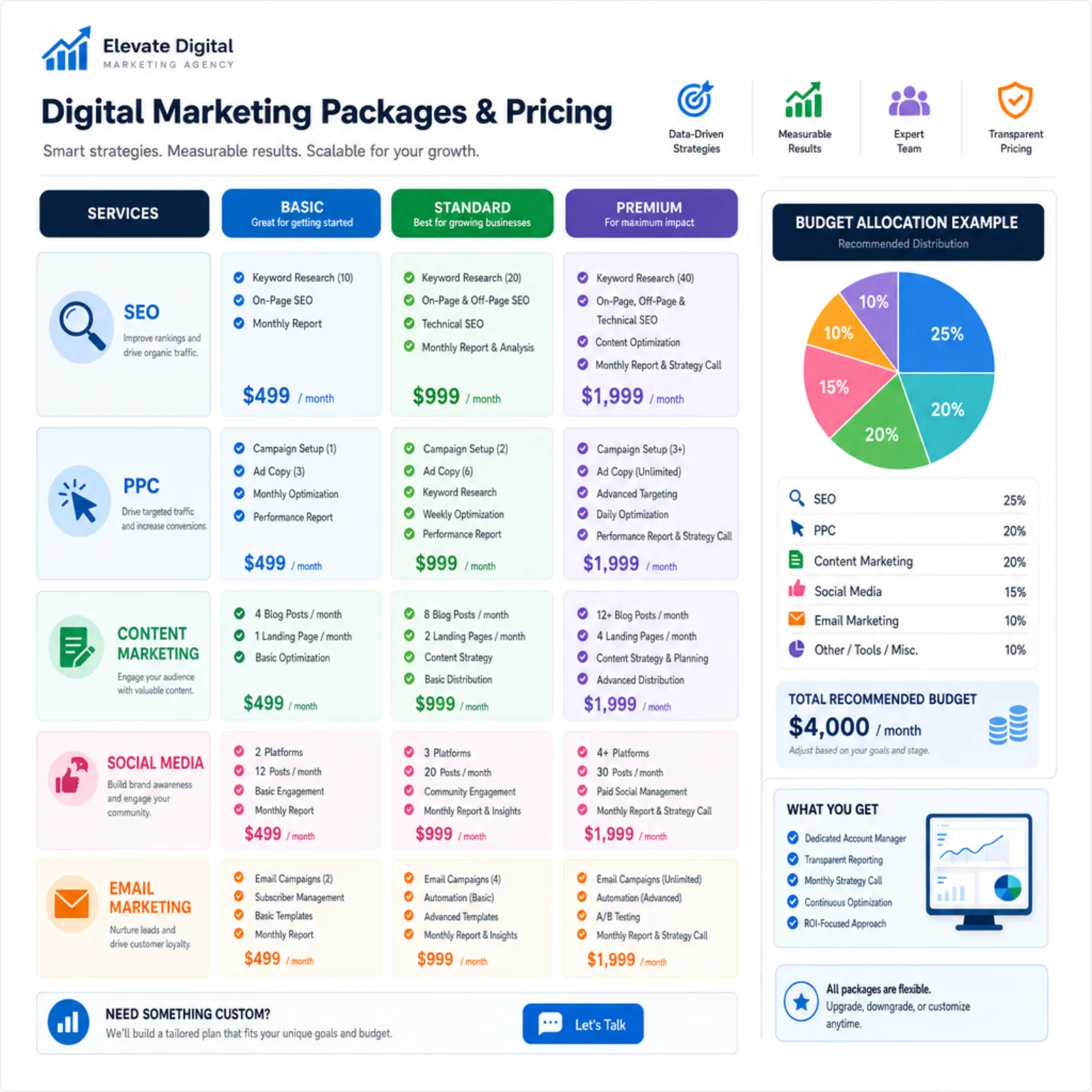
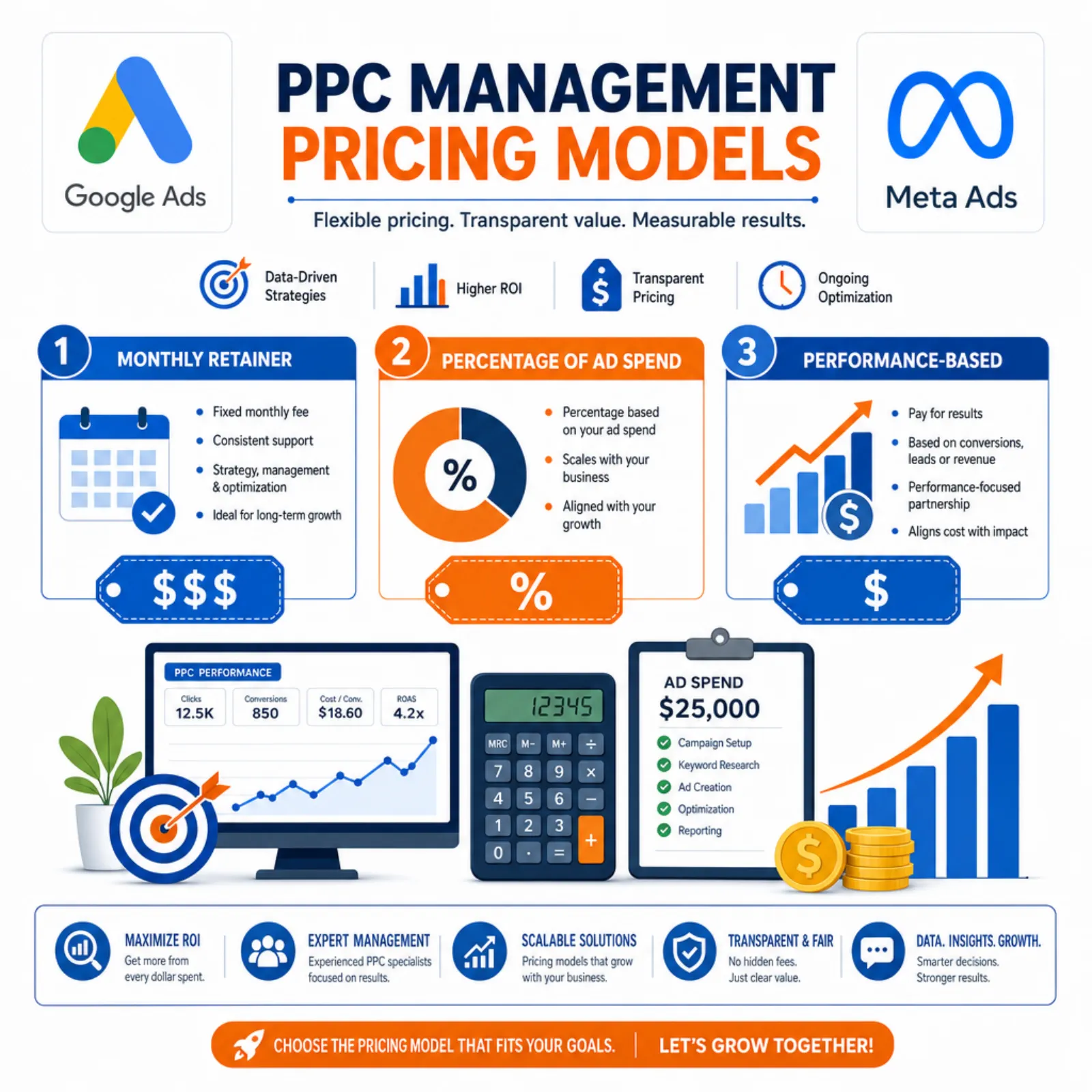
White label SEO pricing varies widely. Common models include:
- Per-client retainer: Fixed monthly fee per client, often EUR 300-1,500 depending on scope
- Per-deliverable pricing: Pay for specific outputs (e.g., EUR 50 per blog post, EUR 200 per audit)
- Tiered packages: Pre-defined bundles at different price points
Make sure the pricing leaves enough margin for your agency to profit while still delivering value to your clients. If you're charging your client EUR 1,500/month and paying the provider EUR 1,200, a 20% margin doesn't leave much room for the account management time you'll invest.
Scalability
Consider whether the provider can grow with you:
- Can they handle 5 clients today and 50 next year?
- Do they have capacity constraints that might affect delivery times?
- What happens if you need to onboard several clients simultaneously?
Contracts and Flexibility
Read the fine print:
- Are you locked into a long-term contract?
- What's the cancellation policy and notice period?
- Who owns the work product? (This should be you or your client, never the provider.)
- Are there non-compete clauses that restrict your options?
Common Pitfalls to Avoid
After years of working in the SEO industry, we've seen these mistakes repeatedly from agencies using white label SEO:
- Not reviewing deliverables before sending to clients: Treat the white label provider's output as a draft, not a finished product. Always review and, if necessary, edit before it reaches your client.
- Choosing the cheapest provider: In SEO, you generally get what you pay for. Providers offering full-service SEO for EUR 200/month per client are cutting corners somewhere.
- Over-promising to clients: Don't sell guaranteed rankings or unrealistic timelines just because a white label provider tells you they can deliver them. Set honest expectations.
- Ignoring the client relationship: Even though someone else does the work, you own the client relationship. Stay engaged, understand their business, and communicate proactively.
- Not having a backup plan: Provider relationships end. Have a contingency plan so a provider change doesn't disrupt your clients.
- Skipping due diligence on link building: Low-quality link building is the most common area where white label providers cut corners. Bad links can result in Google penalties that are extremely difficult to recover from. Demand transparency about link sources and methods.
Alternatives to White Label SEO
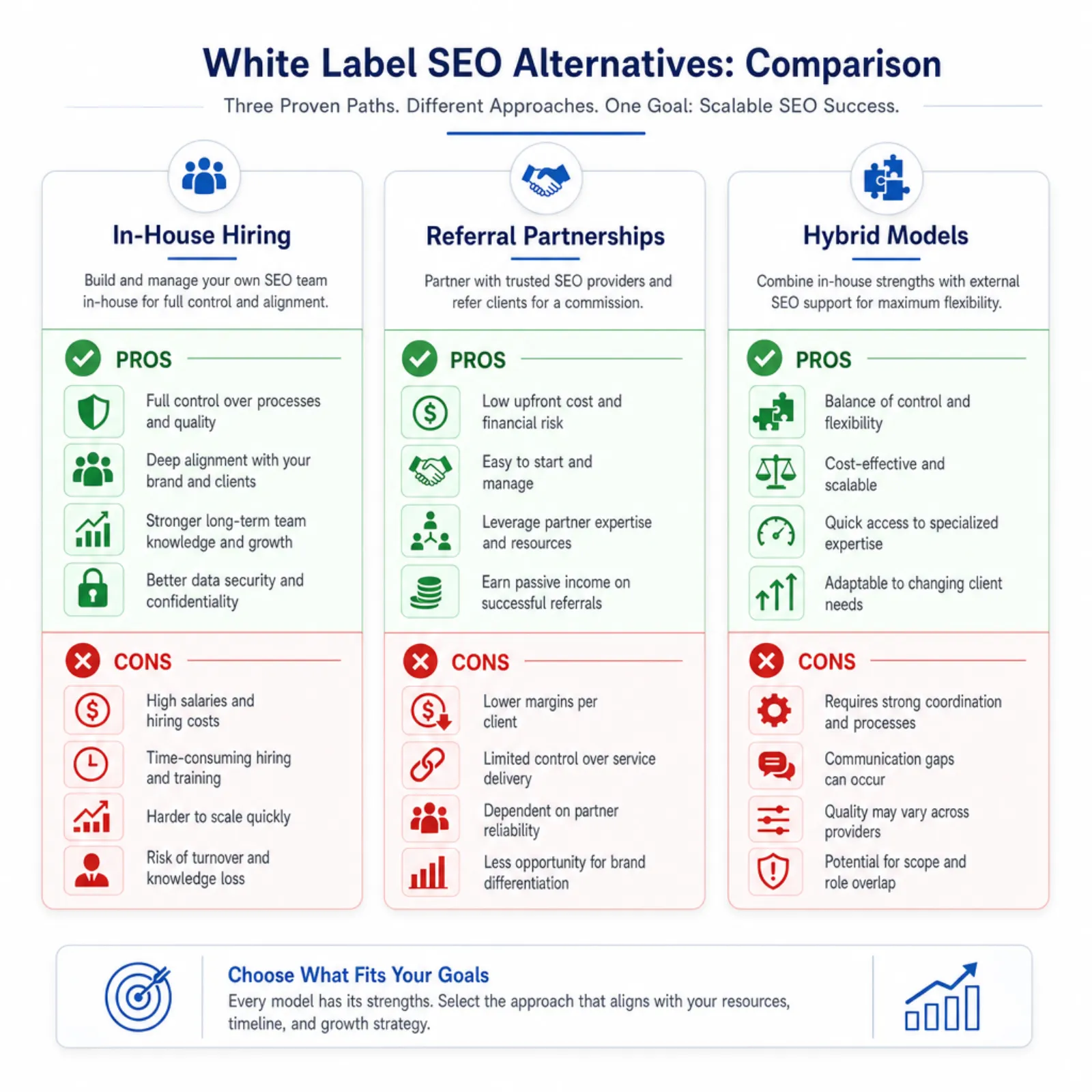
White label SEO isn't the only path for agencies or businesses that need SEO capability. Consider these alternatives:
Build an in-house team: Hiring your own SEO specialists gives you full control over quality, strategy, and client relationships. The trade-off is higher fixed costs and management overhead. This makes sense once you have enough SEO clients to justify dedicated headcount.
Refer to a trusted partner: If SEO isn't your core service, consider building a referral relationship with an SEO agency. You send them clients, they pay you a referral fee, and everyone gets a specialist. It's honest and avoids the quality risks of reselling.
Hybrid model: Hire one senior SEO strategist in-house for strategy and client communication, then use freelancers or a white label provider for execution tasks like content writing and link building. This gives you quality control where it matters most.
Work directly with a specialized SEO provider: If you're a business (not an agency), you'll almost always get better results working directly with an SEO provider rather than through a reseller. Direct relationships mean clearer communication, more customized strategies, and accountability that isn't diluted through intermediaries.
Need SEO Expertise for Your Own Business?
Atastic does not offer white label SEO services. We work directly with businesses, providing transparent, customized SEO strategies where you always know exactly who is doing the work and why.
If you're looking for an SEO partner who will learn your business inside and out, our SEO services are built around your specific goals and competitive landscape. You can also run a free E-E-A-T audit to see where your site stands right now.
Ready to talk? Get in touch and we'll start with an honest assessment of where SEO can move the needle for your business.