How to Build a Digital Marketing Strategy That Drives Results
Learn how to create a digital marketing strategy that aligns with your business goals. This step-by-step guide covers audience research, channel selection, budgeting, and measurement.
Atastic Team
Digital Marketing Agency
A digital marketing strategy is the foundation of every successful online presence. Without one, you're spending money and effort without a clear path to results. Whether you're a startup or an established business looking to grow, a well-defined strategy turns scattered marketing activities into a coordinated system that generates leads and revenue.
This guide walks through the exact process we use at Atastic to build digital marketing strategies for our clients, from audience research through execution and optimization.
What Is a Digital Marketing Strategy?
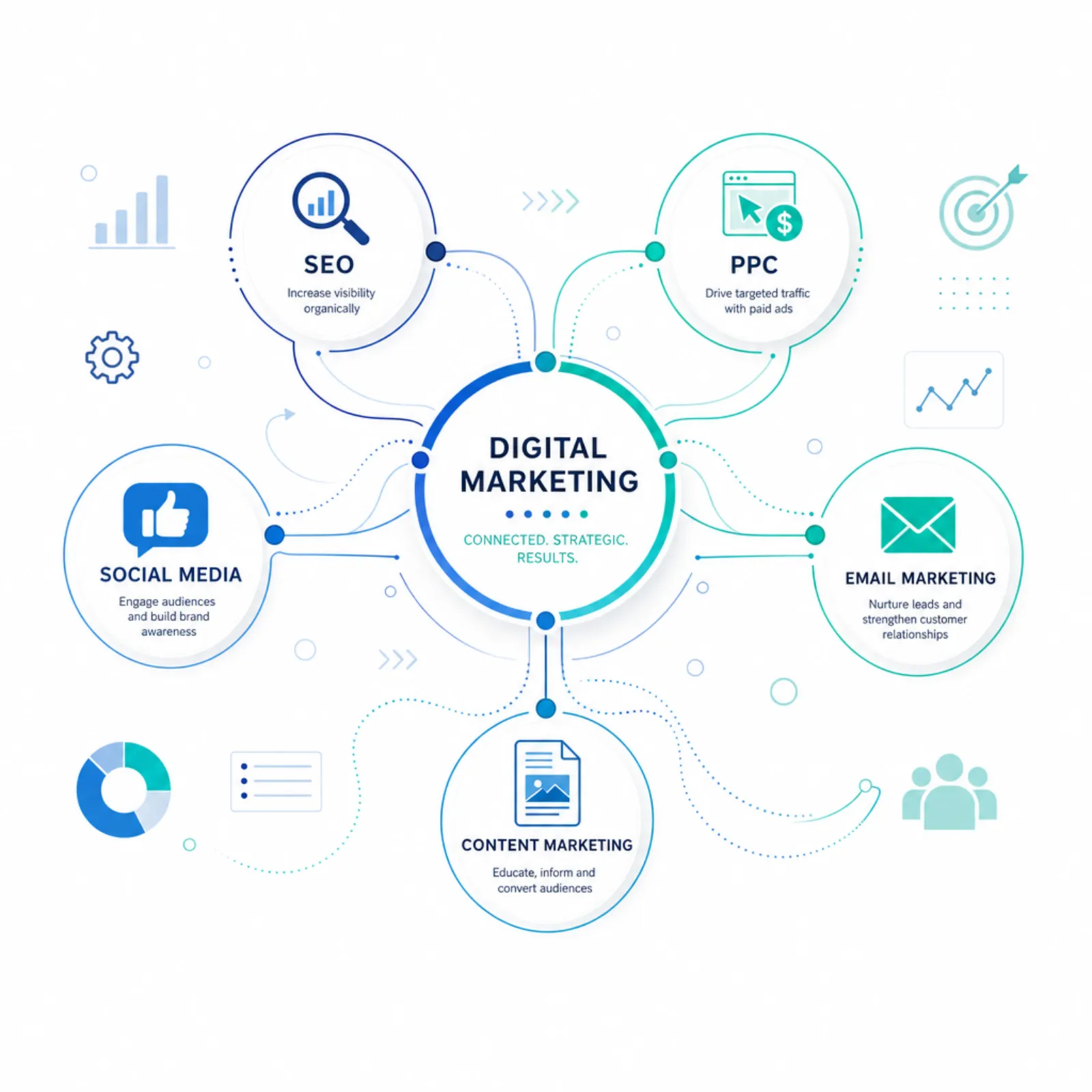
A digital marketing strategy is a plan that outlines how your business will achieve its marketing goals through online channels. It covers which channels to use (SEO, paid ads, social media, email), how to allocate your budget, what content to create, and how to measure success.
It's different from a marketing plan, which focuses on the specific campaigns and tactics you'll execute. The strategy is the "why" and "what." The plan is the "how" and "when."
Why You Need a Documented Strategy
Businesses with a documented digital marketing strategy are significantly more likely to report positive ROI from their marketing efforts. The reasons are straightforward:
- Alignment: Everyone on your team works toward the same goals
- Efficiency: You allocate budget to channels that actually move the needle
- Measurement: You know what success looks like and can track progress
- Consistency: Your messaging stays coherent across all channels
Step 1: Define Your Business Goals
Every effective digital marketing strategy starts with clear business objectives. Marketing goals should directly support what the business needs to achieve.
Common Marketing Objectives
- Brand awareness: Increase visibility among your target audience
- Lead generation: Drive qualified prospects into your sales pipeline
- Customer acquisition: Convert leads into paying customers
- Revenue growth: Increase average order value or customer lifetime value
- Retention: Keep existing customers engaged and reduce churn
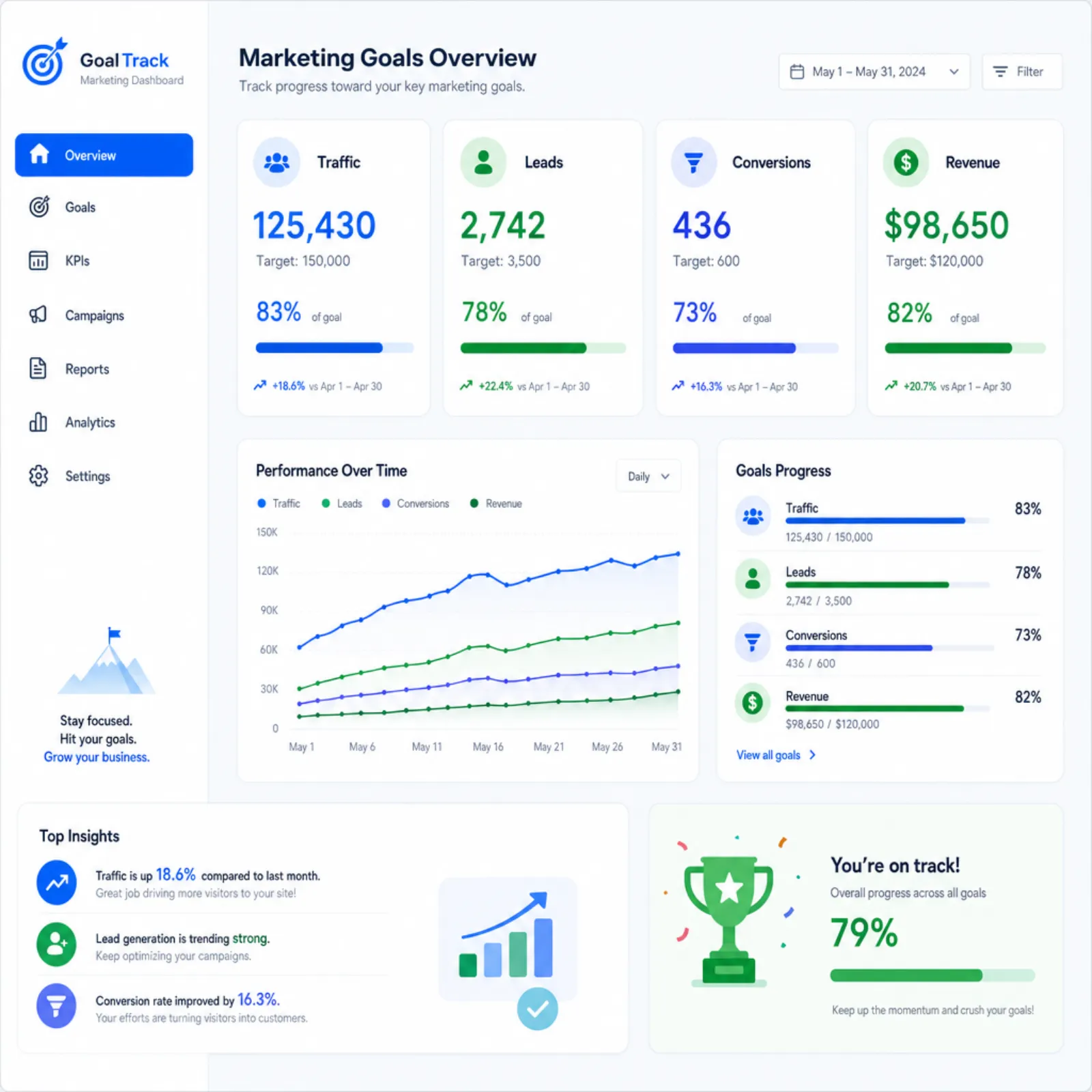
Be specific. "Increase leads" is vague. "Generate 50 qualified leads per month from organic search within 6 months" gives you something to measure against.
Step 2: Research Your Target Audience
You can't build an effective digital marketing strategy without knowing who you're trying to reach. Audience research informs every decision downstream: which channels to use, what content to create, and how to position your offer.
Build Buyer Personas
A buyer persona is a semi-fictional representation of your ideal customer based on real data. For each persona, document:
- Demographics: Age, location, job title, company size, income
- Goals: What are they trying to achieve professionally and personally?
- Pain points: What problems keep them up at night?
- Information sources: Where do they go for advice? (Google, LinkedIn, industry publications, podcasts)
- Buying process: How do they evaluate and purchase solutions like yours?
Where to Get Audience Data
Don't guess. Use actual data from these sources:
- Google Analytics audience reports
- Customer interviews and surveys
- Sales team insights (what questions do prospects ask?)
- Social media analytics
- Competitor analysis (who is engaging with their content?)
Step 3: Audit Your Current Digital Presence
Before planning where to go, assess where you are. A thorough audit reveals what's working, what's not, and where the biggest opportunities lie.
What to Audit
- Website performance: Traffic, bounce rate, conversion rate, page speed
- SEO health: Rankings, organic traffic trends, technical issues (consider running a full SEO audit)
- Content inventory: What content exists? What performs well? What gaps exist?
- Social media: Follower growth, engagement rates, which platforms drive traffic
- Paid advertising: Cost per acquisition, ROAS, top-performing campaigns
- Email marketing: List size, open rates, click rates, revenue attribution
This audit becomes your baseline. You'll measure all future progress against these numbers.
Step 4: Choose Your Marketing Channels
You don't need to be everywhere. The best digital marketing strategies focus on the channels that align with your audience and goals.
Channel Options and When to Use Them
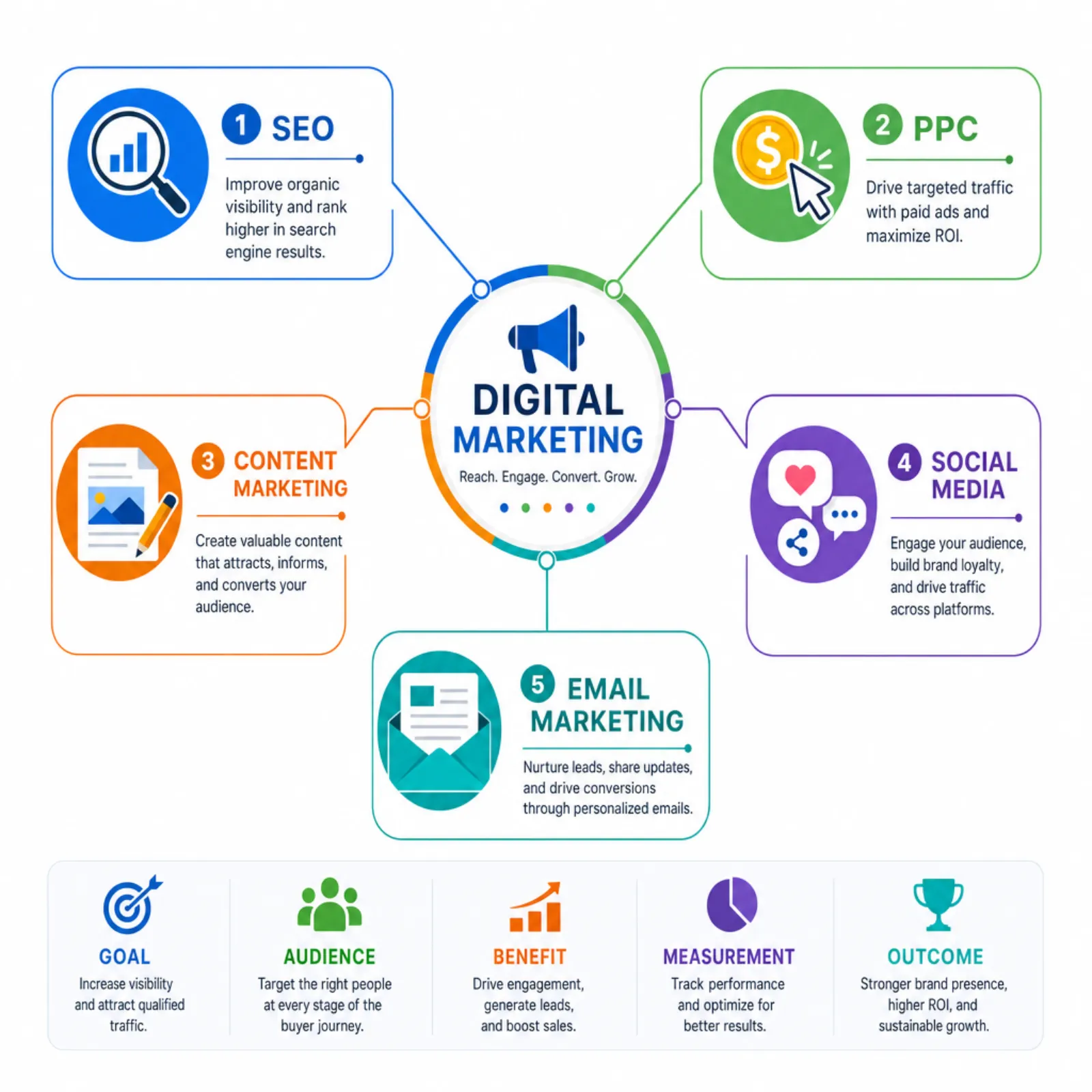
Search Engine Optimization (SEO): Best for long-term organic traffic growth. Essential if your audience searches for solutions on Google. Requires patience but compounds over time. Learn about our SEO services.
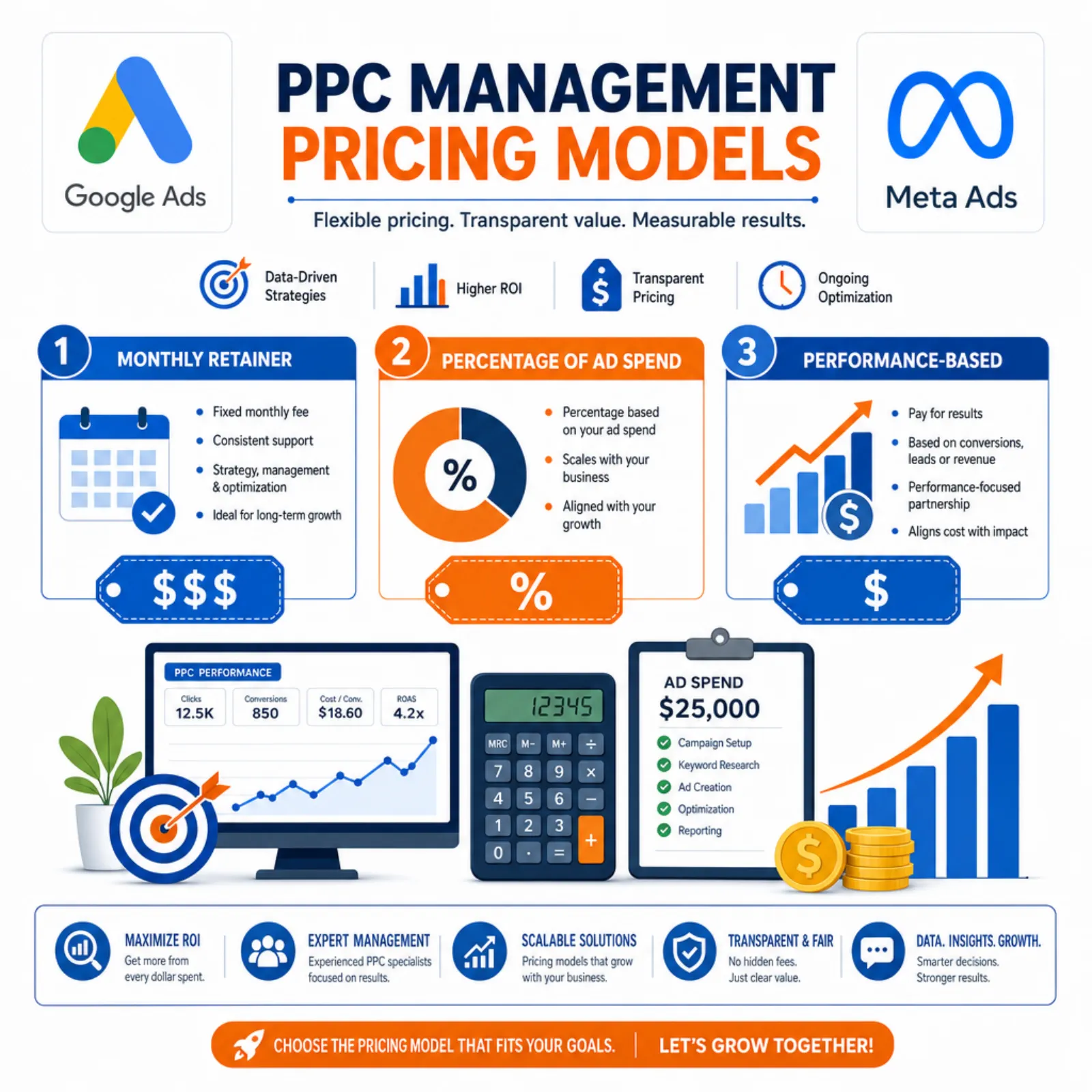
Pay-Per-Click Advertising (PPC): Best for immediate visibility and lead generation. Google Ads and social media ads let you reach your audience right away while SEO builds momentum. Explore our PPC management.
Content Marketing: Best for building authority and attracting organic traffic. Blog posts, guides, videos, and podcasts that educate your audience and position you as an expert. See our content strategy services.
Social Media Marketing: Best for brand awareness and community building. Choose platforms where your audience actually spends time. View our social media services.
Email Marketing: Best for nurturing leads and retaining customers. Still one of the highest-ROI channels when done well. Learn about our email marketing.
Step 5: Create a Content Strategy
Content fuels every digital marketing channel. Your content marketing strategy should map content to each stage of the buyer journey.
Content by Funnel Stage
Top of funnel (Awareness): Blog posts, social media content, videos, and infographics that address your audience's problems. The goal is to attract and educate.
Middle of funnel (Consideration): Case studies, comparison guides, webinars, and detailed how-to content. The goal is to build trust and demonstrate expertise.
Bottom of funnel (Decision): Product demos, free trials, testimonials, and ROI calculators. The goal is to convert interest into action.
Topic Research
Use keyword research to identify topics your audience is searching for. Tools like Ahrefs, Semrush, or Google's Keyword Planner can reveal search volume and competition levels. Prioritize topics where you can genuinely add value and have a realistic chance of ranking.
Step 6: Set Your Budget
Your budget determines the scope of what's possible. A realistic budget accounts for both media spend and the people or agencies executing the work.
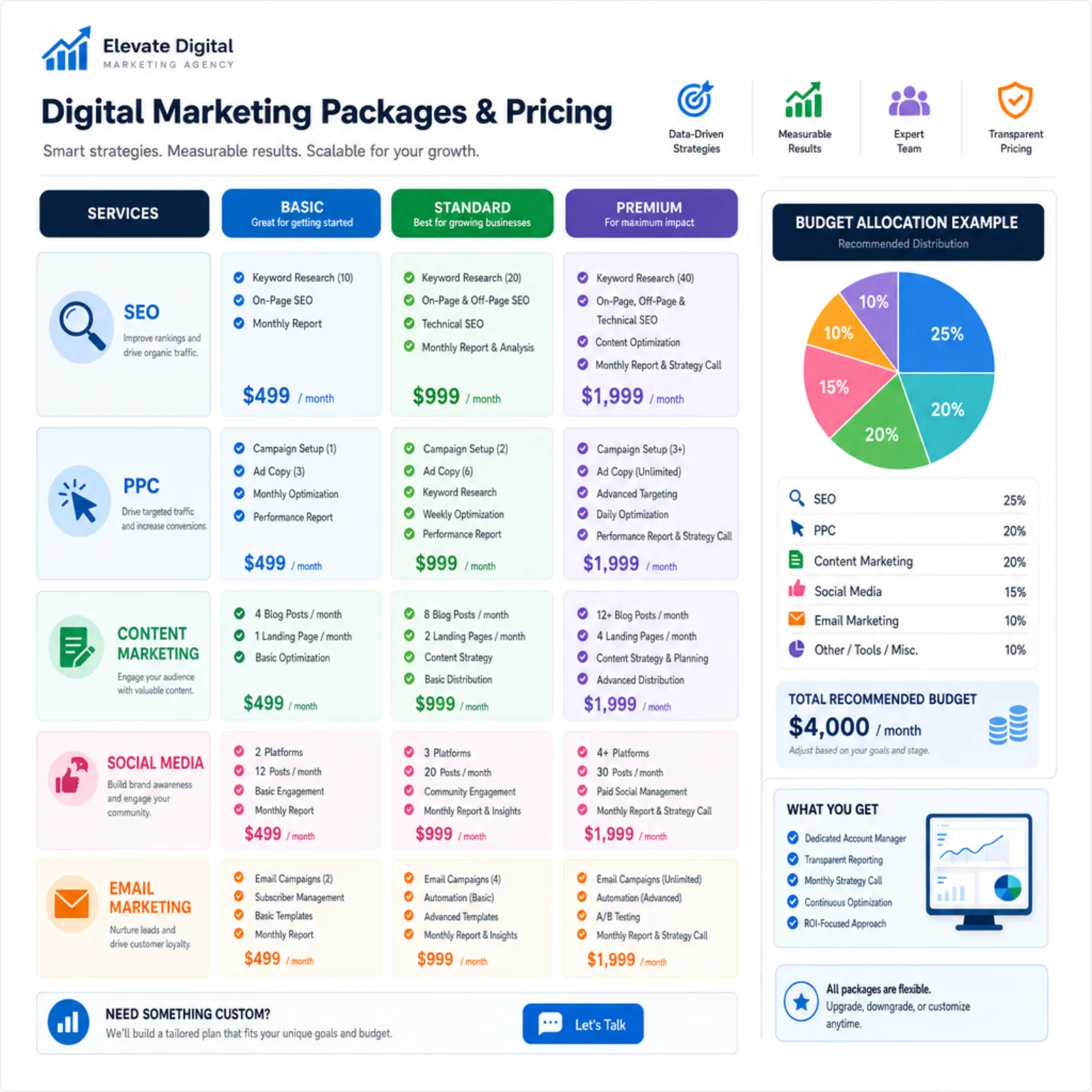
Budget Allocation Framework
A common starting point for businesses investing seriously in digital marketing:
- SEO + Content: 30-40% of budget (long-term investment)
- Paid Advertising: 25-35% of budget (immediate results)
- Social Media: 10-15% of budget (brand and engagement)
- Email Marketing: 5-10% of budget (retention and nurturing)
- Analytics + Tools: 5-10% of budget (measurement infrastructure)
These percentages shift based on your business stage. Early-stage companies might weight paid ads more heavily for quick traction. Mature businesses often invest more in SEO and content for sustainable growth.
Step 7: Build Your Measurement Framework
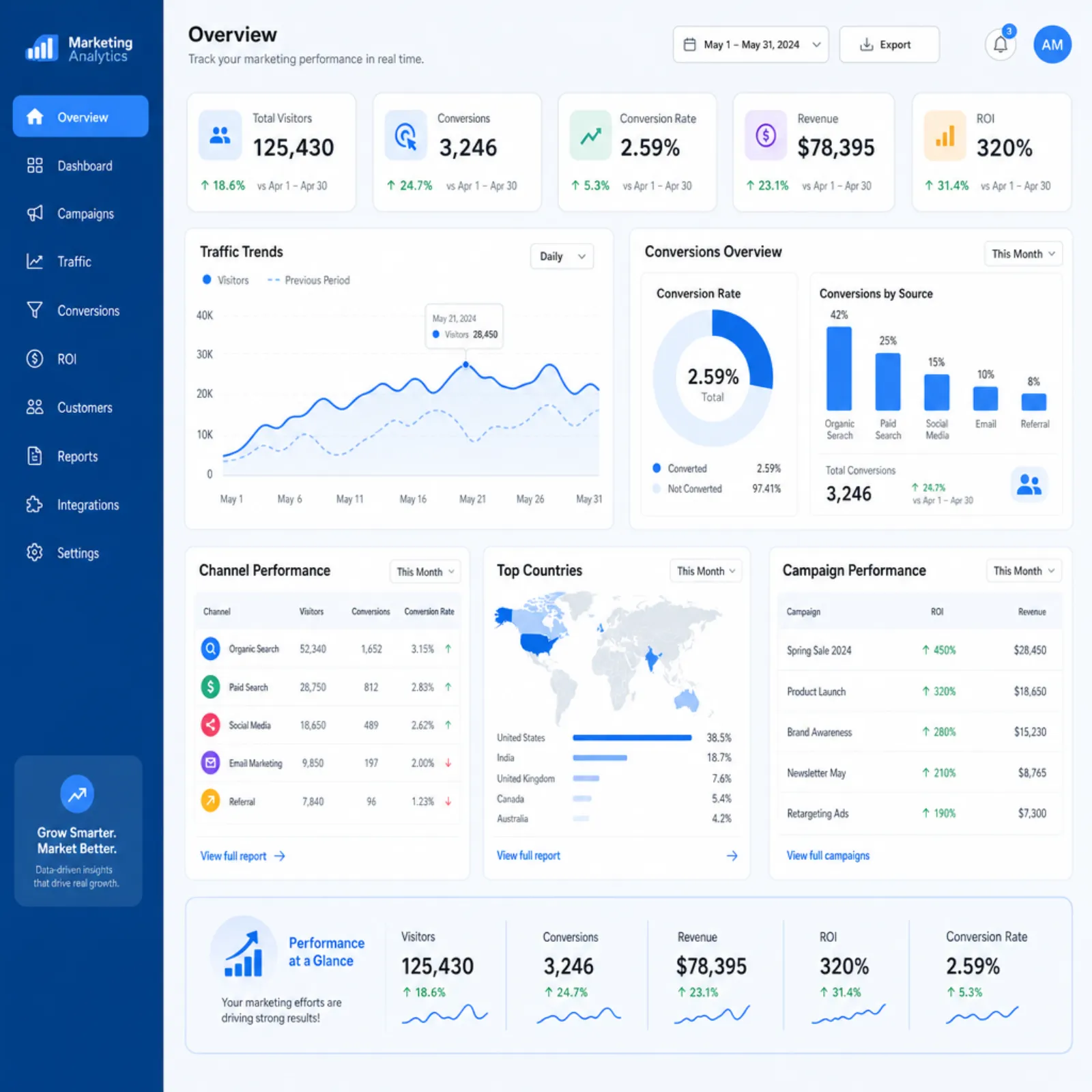
A digital marketing strategy is only as good as your ability to measure its impact. Define your KPIs before launching any campaigns.
Key Metrics by Channel
- SEO: Organic traffic, keyword rankings, organic conversions, backlinks acquired
- PPC: Cost per click (CPC), cost per acquisition (CPA), return on ad spend (ROAS), quality score
- Content: Page views, time on page, organic traffic per post, lead magnet conversions
- Social: Engagement rate, follower growth, referral traffic, social conversions
- Email: Open rate, click-through rate, conversion rate, revenue per email
Set up proper analytics tracking from day one. Google Analytics 4, Google Search Console, and platform-specific analytics should all be configured before you start spending on campaigns.
Step 8: Execute, Measure, and Optimize
With your strategy documented, it's time to execute. But a strategy isn't a static document. It's a living framework that evolves based on performance data.
The Optimization Cycle
- Execute: Launch campaigns according to your plan
- Measure: Track performance against your KPIs weekly and monthly
- Analyze: Identify what's working and what isn't
- Optimize: Double down on winners, fix or cut underperformers
- Report: Share results with stakeholders and adjust the strategy quarterly
The best digital marketing strategies are never "finished." Market conditions change, competitors adapt, and platforms evolve. Build a rhythm of continuous improvement into your process.
Common Digital Marketing Strategy Mistakes
After building strategies for dozens of businesses, these are the mistakes we see most often:
- Trying to be on every channel: Focus beats breadth. Master 2-3 channels before expanding.
- No clear goals: Without specific, measurable targets, you can't evaluate performance.
- Ignoring the data: Gut feelings are not a strategy. Let performance data guide decisions.
- Expecting overnight results: SEO and content marketing take months to compound. Set realistic timelines.
- Neglecting mobile: Over 60% of web traffic is mobile. Your entire digital experience must work on phones.
- Skipping the audit: You can't improve what you don't measure. Start with a baseline.
Next Steps
A solid digital marketing strategy doesn't require a massive budget or a large team. It requires clarity about your goals, understanding of your audience, and discipline in execution and measurement.
If you'd like help building or refining your digital marketing strategy, get in touch with the Atastic team. We work with businesses of all sizes to create strategies that align marketing spend with business results.